free estimates: (402) 690-1050
How Decking Technology Has Changed in the Last 10 Years (And Why It Matters Now)
If you haven’t looked at decking options in the last decade, you might be surprised by how much has changed. What used to be a fairly simple choice—wood or composite—has evolved into a much more advanced decision involving materials science, manufacturing technology, and long-term performance.
Over the past 10 years, decking has quietly gone through a technological upgrade. And in 2026, those changes matter more than ever.
1. Composite Decking Is No Longer “Plastic Wood”
Early composite decking had a reputation for fading, staining, and feeling artificial underfoot. Modern composite boards are a completely different product.
Today’s composites use:
-
Advanced capped polymer shells
-
Multi-layer extrusion
-
Improved color blending and embossing techniques
The result is decking that looks more natural, resists moisture far better, and holds color dramatically longer—even in full sun.
2. Moisture Resistance Has Improved Across the Board
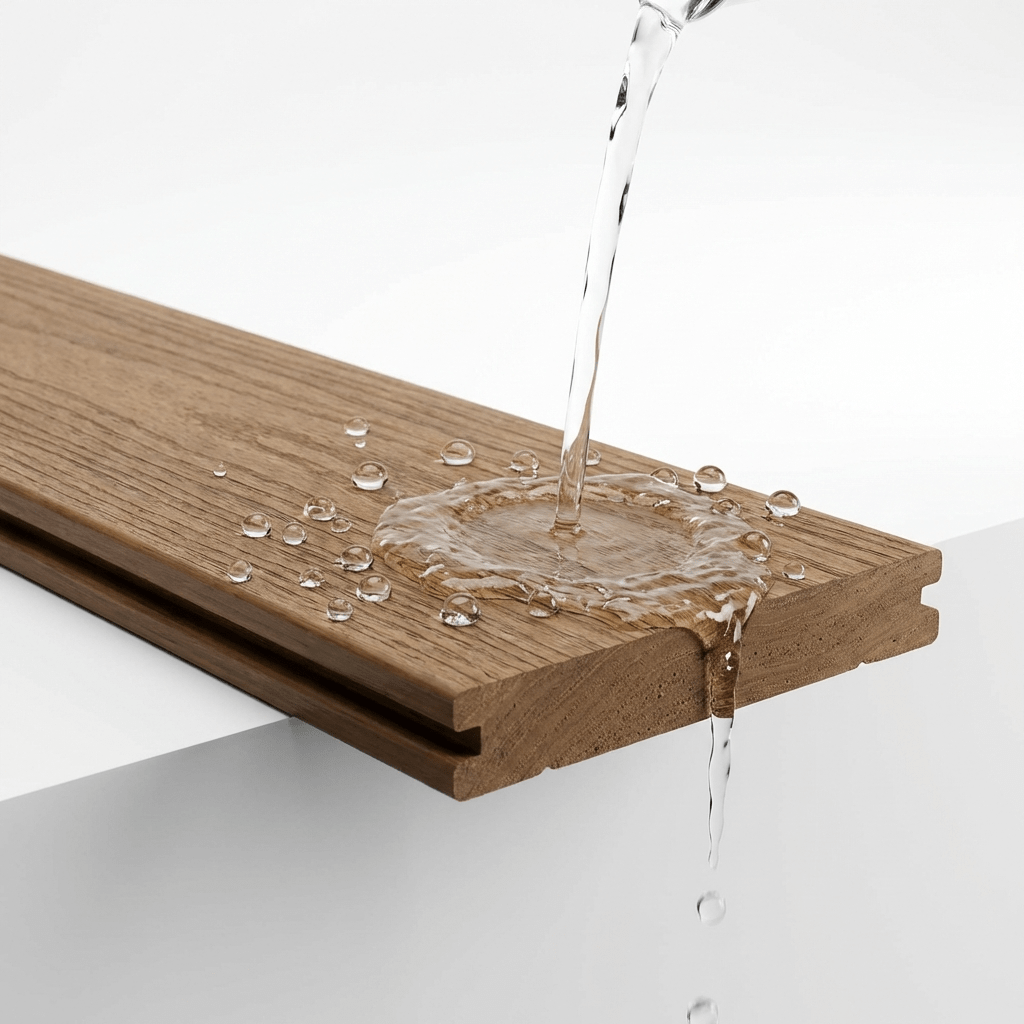
One of the biggest technological shifts is how decking materials handle water.
Modern decking is engineered to:
-
Reduce water absorption
-
Resist mold and mildew growth
-
Minimize expansion and contraction
This matters most in areas with freeze–thaw cycles, humidity swings, and heavy rain. Decks built today are simply better equipped to survive long-term environmental stress than those built 10 years ago.
3. Color Technology Has Become Smarter
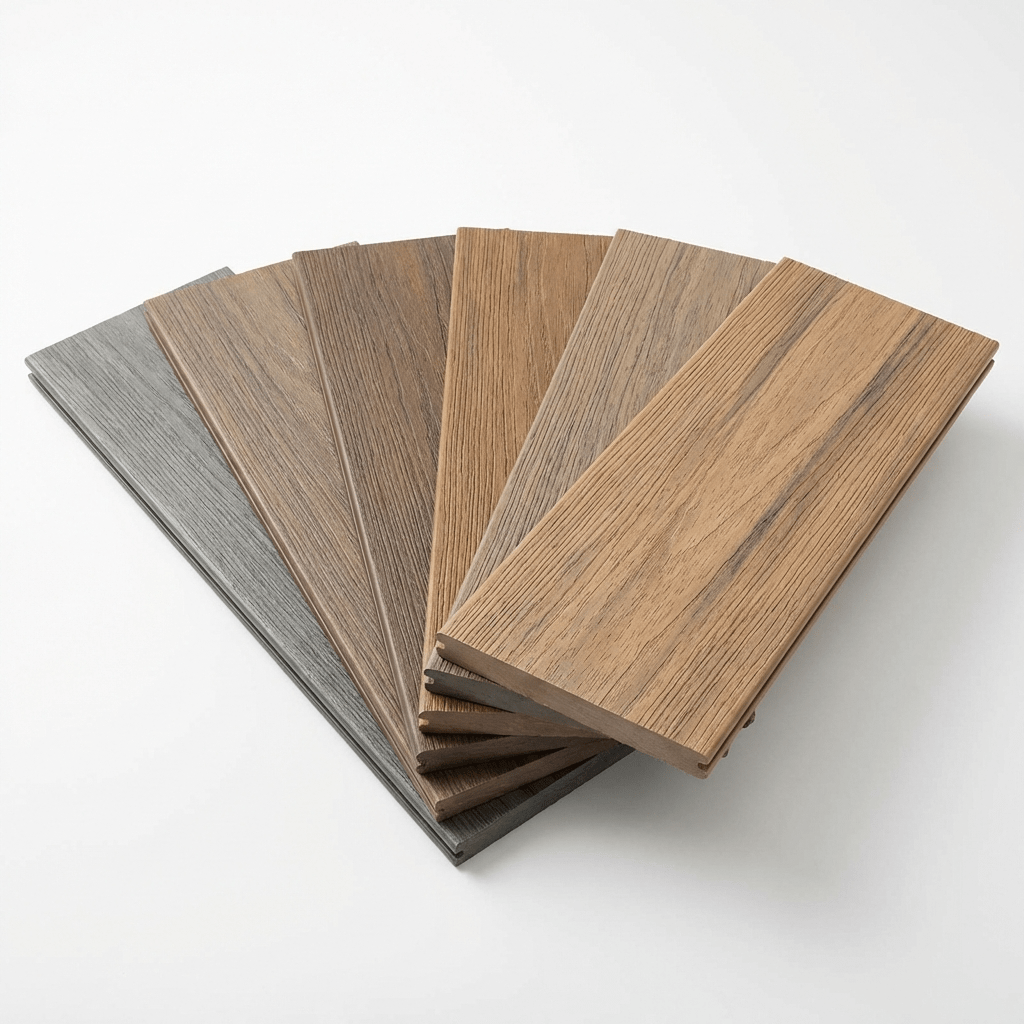
Deck colors used to fade fast or look flat. Now, manufacturers use layered pigmentation and UV-resistant coatings that create depth and variation.
Current trends favor:
-
Warm, natural tones
-
Matte and low-gloss finishes
-
Subtle grain patterns that age gracefully
In 2026, decking colors are designed to complement modern architecture instead of overpowering it.
4. Structural Components Have Quietly Improved
Decking technology isn’t just about boards. Hardware, fasteners, and framing systems have also evolved.
Modern systems now offer:
-
Hidden fastening for cleaner finishes
-
Corrosion-resistant hardware
-
Improved railing connections and safety features
These upgrades reduce squeaks, movement, and visible wear over time—things homeowners often notice years after the build.
5. Maintenance Expectations Have Shifted
A decade ago, routine staining and sealing were considered normal. Today, homeowners expect decks to stay attractive with minimal upkeep.
Technological advances now allow:
-
Long-term color retention
-
No sanding, staining, or sealing
-
Easier cleaning with basic soap and water
This shift has changed how people evaluate value. In 2026, long-term maintenance costs matter just as much as upfront price.
6. Deck Design Is Now Technology-Driven
Design flexibility has expanded thanks to thinner profiles, stronger materials, and modular systems.
This allows for:
-
Multi-level layouts
-
Integrated lighting and accessories
-
Cleaner transitions between indoor and outdoor spaces
Decks are no longer just platforms—they’re engineered outdoor living environments.
Why This Matters in 2026
Decking technology has reached a point where the gap between outdated materials and modern systems is impossible to ignore. Choosing products based on how decks were built 10 years ago often leads to disappointment today.
Homeowners planning a deck in 2026 benefit most by understanding:
-
How materials actually perform long-term
-
Why newer systems cost more—but save money over time
-
How design and durability now go hand in hand
The best decks built today aren’t just better looking—they’re smarter, stronger, and built to last longer with less effort.