Papillion Deck Permit Checklist 2025: Fees, Timelines & What We Handle For You

Papillion Deck Permit Checklist 2025: Fees, Timelines & What We Handle For You

If you’re planning a new deck in Papillion, Nebraska, you’ll need a city permit before the first post hits the ground. The good news? Decks, Decks & More Decks handles all of it — the paperwork, drawings, and inspections — so you can skip the red tape and focus on design.

Whether you’re adding a brand-new composite deck, replacing an old cedar one, or upgrading your railing system, here’s what to know about the Papillion deck permit process for 2025.


Do You Need a Deck Permit in Papillion?

Yes — almost every deck project requires one. Papillion’s building department uses permits to make sure decks meet current safety codes, load requirements, and inspection standards.

You’ll need a permit if your deck:

  • Is attached to your home or more than 30” above grade.

  • Involves new framing, footings, or structural changes.

  • Includes a new railing system or stairs.

  • Adds electrical components such as lighting or a hot tub hookup.

If you’re simply resurfacing a deck with the same materials and layout, you may not need a full permit — but it’s always best to check before you build.


Papillion Deck Permit Fees 

Permit costs are based on your project size and estimated value.

There may also be small fees for plan reviews or electrical permits if your deck includes lighting, outlets, or heaters.

At Decks, Decks & More Decks, we include these fees and filings in your overall project cost — no surprise add-ons later.

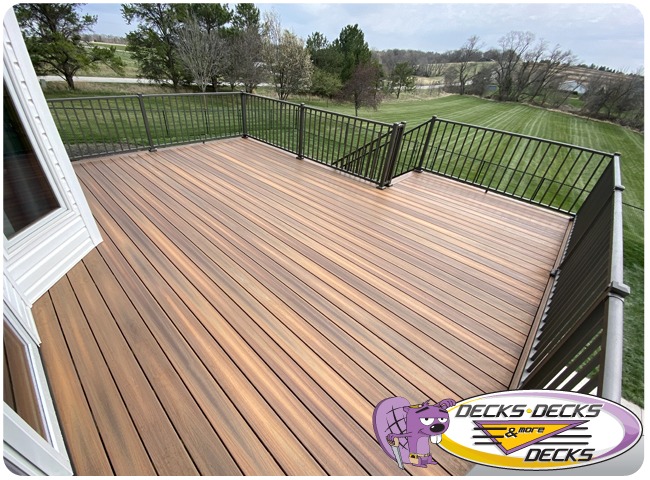
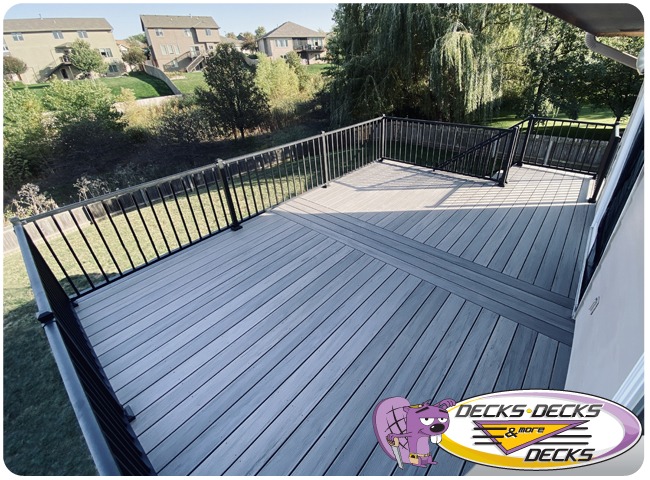
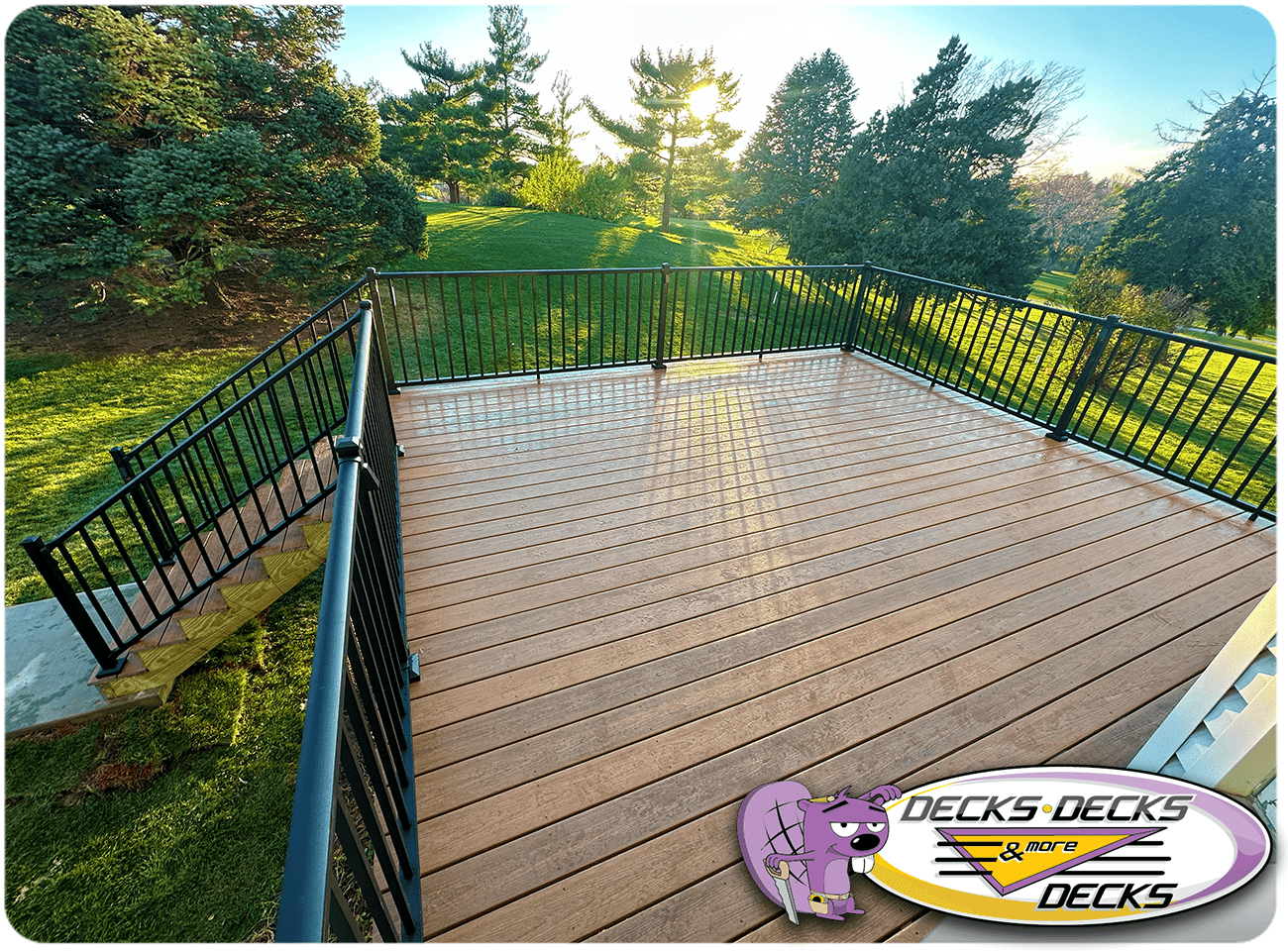
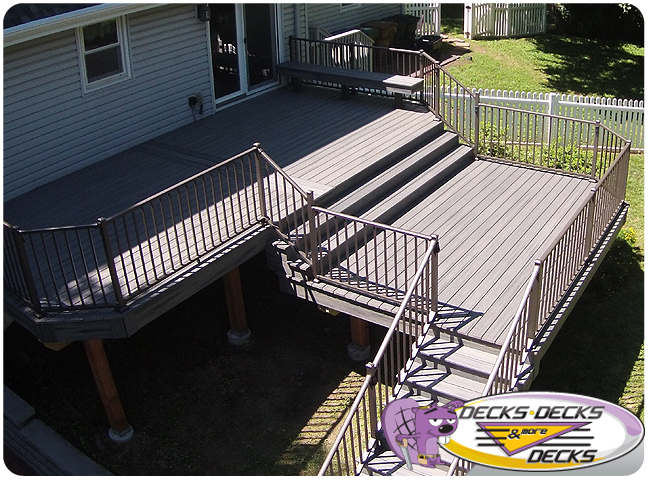
Omaha composite deck built with modern low-maintenance design.


Timeline: How Long Does Approval Take?

The City of Papillion typically reviews residential deck permits within 5–10 business days, depending on season and complexity.
Our team streamlines that by:

  • Submitting engineered drawings and site plans that meet code the first time.

  • Coordinating directly with city inspectors for both footing and final inspections.

  • Keeping your build moving so your project doesn’t sit in backlog.

Most of our Papillion clients are approved and under construction in less than two weeks.


Why It’s Worth Letting Us Handle the Paperwork

The paperwork isn’t glamorous — but getting it right matters.
We’ve managed hundreds of deck permits across Papillion and Sarpy County, which means we already know the inspectors, the checklist, and the codes.

When you work with Decks, Decks & More Decks, you get:
✅ Complete permit preparation and submission
✅ Professionally drawn plans that meet Papillion code
✅ Coordination with inspectors and HOAs
✅ Peace of mind that everything’s built legally and safely


Final Thoughts

Getting a deck permit in Papillion doesn’t have to slow you down.
When you hire Decks, Decks & More Decks, our team handles everything — from blueprints to inspection sign-offs — so you can enjoy your new deck without the stress.

Ready to start your project?
Visit our showroom in Papillion, or call (402) 690-1050 to schedule your free consultation today.

Deck Makeover: Resurfacing vs. Replacement – What’s the Best Option?

Deck Makeover: Resurfacing vs. Replacement – What’s the Best Option?

Your deck is an essential part of your outdoor living space, but what happens when it starts showing signs of wear and tear? A deck makeover can bring new life to your space, but deciding between resurfacing and replacement isn’t always straightforward. Here’s a guide to help you determine which option is best for your deck, your budget, and your long-term needs.


1. What Is Deck Resurfacing?

Deck resurfacing involves replacing the surface boards and sometimes railings while keeping the underlying structure intact. It’s an excellent option for decks with a solid frame that only need cosmetic or surface-level improvements.

Pros of Resurfacing:

  • Cost-Effective: Resurfacing costs significantly less than a full replacement.
  • Quick Upgrade: It’s faster to complete, minimizing downtime for your outdoor space.
  • Material Options: Upgrade to composite decking for a modern, low-maintenance surface.

When to Resurface: If your deck’s structure (joists, beams, and footings) is still in good condition but the boards are weathered, warped, or outdated, resurfacing is a smart choice.


2. What Is Deck Replacement?

Deck replacement involves tearing down the existing structure and building a new deck from the ground up. This is necessary when the underlying frame is damaged, unstable, or beyond repair.

Pros of Replacement:

  • Fresh Start: A full replacement allows for a complete redesign, including new features like multi-levels or built-in seating.
  • Improved Safety: Replacement ensures all structural elements are up to code and safe.
  • Longevity: Starting fresh with high-quality materials guarantees a longer lifespan.

When to Replace: If the structural integrity of your deck is compromised due to rot, insect damage, or poor construction, replacement is the safest and most durable solution.


3. Comparing Costs: Resurfacing vs. Replacement

  • Resurfacing Costs: Typically costs about $10–$15 per square foot, depending on the material. Composite boards are more expensive but require less maintenance.
  • Replacement Costs: Can range from $20–$50 per square foot, depending on the design, materials, and complexity of the build.

While replacement is pricier upfront, it may save money in the long run by eliminating the need for frequent repairs.


4. Resurfacing and Replacement Materials

Both resurfacing and replacement allow you to choose from various materials:

  • Pressure-Treated Wood: Affordable and classic but requires regular maintenance.
  • Composite Decking: Durable, low-maintenance, and available in many colors and styles.
  • PVC Decking: High-end, weather-resistant material that’s perfect for harsh climates.

Choosing the right material depends on your budget, desired aesthetics, and maintenance preferences.


5. Making the Right Decision for Your Deck

Here’s how to decide between resurfacing and replacement:

  • Inspect the Frame: Have a professional inspect the structure for rot, cracks, or instability.
  • Consider Your Goals: If you want a completely new look or layout, replacement may be better.
  • Think Long-Term: For a longer-lasting solution, replacement might be worth the investment if the structure is aging.

Final Thoughts: Resurfacing or Replacement?

Both resurfacing and replacement offer unique benefits, depending on the condition of your deck and your long-term goals. Resurfacing is ideal for quick, affordable upgrades, while replacement is the best choice for safety and durability. Whatever option you choose, investing in a deck makeover will enhance your outdoor space and improve your home’s value.

8 Things to Know About Replacing a Deck

8 Things to Know About Replacing a Deck

Replacing an old or worn-out deck can breathe new life into your outdoor space and enhance your home’s value. However, the process involves several important considerations to ensure a successful project. Here are eight key things to know about replacing a deck, from planning and design to installation and maintenance.

1. Assess the Condition of the Existing Deck

Overview: Before starting a replacement project, thoroughly inspect the existing deck to determine the extent of the damage and the necessary changes.

What to Check:

  • Structural Integrity: Look for signs of rot, instability, or damage to the framing, joists, and supports.
  • Decking Material: Evaluate the condition of the decking boards and railings.
  • Foundation: Check for issues with footings and posts.

Why It Matters: Understanding the current condition helps in deciding whether you need a complete replacement or just specific repairs.

2. Set a Realistic Budget When Replacing A Deck

Overview: Establishing a budget is crucial for managing costs and avoiding unexpected expenses. Include all potential costs in your budget planning.

What to Include:

  • Materials: Consider the cost of decking materials, railings, and finishes.
  • Labor: Factor in costs for professional installation if you’re not doing it yourself.
  • Permits and Fees: Account for any necessary permits and inspection fees.

Why It Matters: A well-planned budget helps ensure you stay within your financial limits and avoid surprises during the project.

3. Choose the Right Materials

Overview: Selecting the right materials is essential for both aesthetics and durability. Consider various options to find the best fit for your needs.

Material Options:

  • Wood: Traditional and natural, but requires regular maintenance.
  • Composite: Low maintenance and durable, often made from recycled materials.
  • PVC: Highly durable and resistant to moisture and pests, but can be more expensive.

Why It Matters: The right material affects the deck’s longevity, appearance, and maintenance requirements.

4. Understand Local Building Codes

Overview: Complying with local building codes and regulations is crucial for legal and safety reasons.

What to Check:

  • Permits: Obtain the necessary permits before starting construction.
  • Building Codes: Ensure your new deck design meets all local regulations regarding load-bearing, railing heights, and other structural aspects.

Why It Matters: Adhering to codes ensures safety, legality, and helps avoid potential fines or issues during inspections.

5. Consider Deck Design and Features

Overview: Designing a deck involves more than just selecting materials. Consider features and layout to maximize functionality and appeal.

Design Elements:

  • Layout: Plan the size and shape to fit your space and needs.
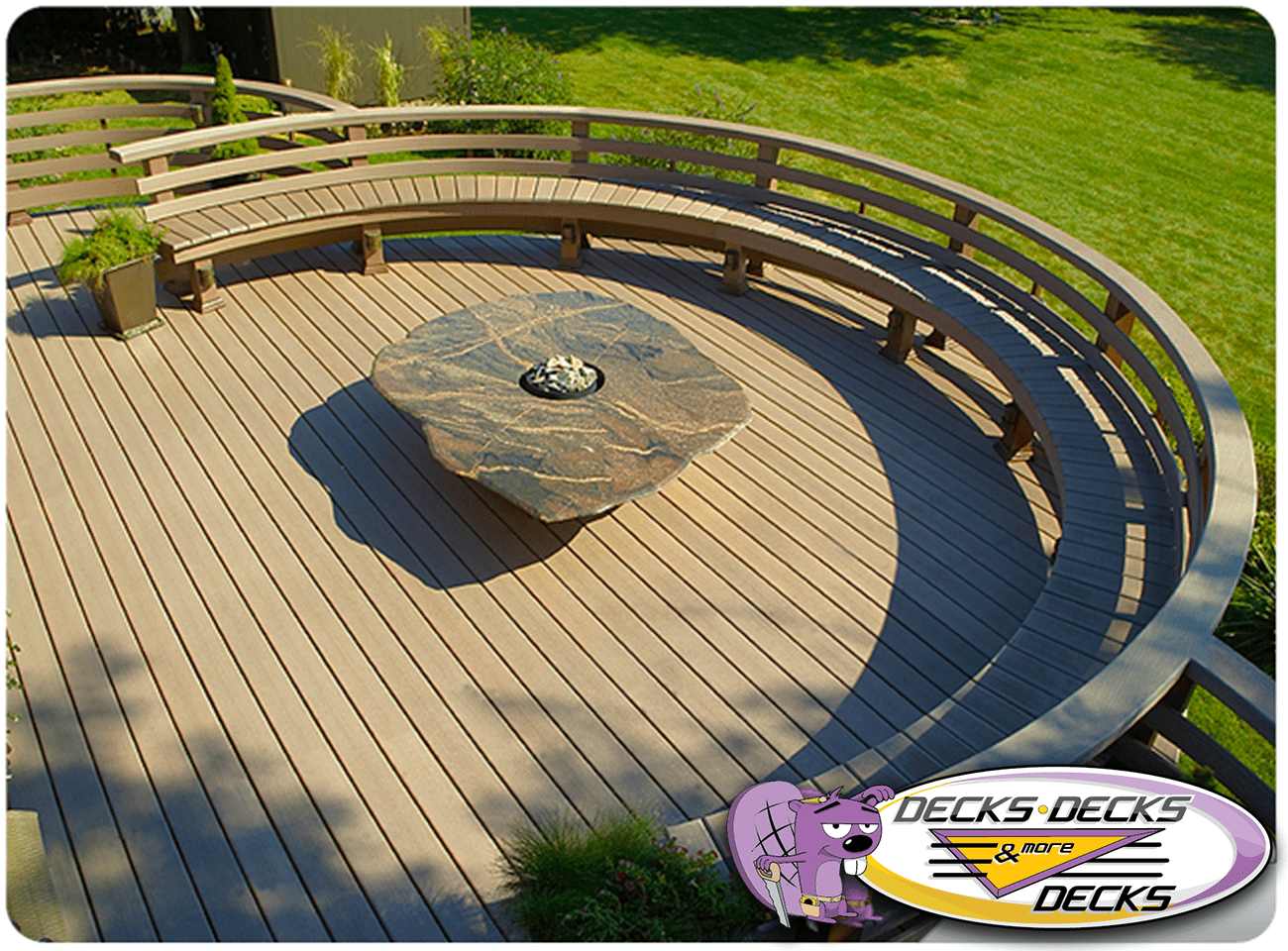
  • Features: Include elements such as built-in seating, lighting, and planters.
  • Accessibility: Ensure the design includes convenient access points and accommodates any special needs.

Why It Matters: A well-designed deck enhances your outdoor living experience and ensures it meets your lifestyle requirements.

6. Hire a Qualified Contractor

Overview: If you’re not handling the replacement yourself, hiring a qualified contractor is crucial for a successful project.

What to Look For:

  • Experience: Choose a contractor with a proven track record in deck replacement.
  • References: Check references and reviews from past clients.
  • Licensing and Insurance: Verify that the contractor has the necessary licenses and insurance.

Why It Matters: A skilled contractor ensures high-quality workmanship, adherence to codes, and a smooth project process.

With low-maintenance decks, you can say goodbye to annual sanding and staining, as these innovative materials stay looking new with minimal care.

7. Plan for Maintenance and Upkeep

Overview: Consider the long-term maintenance requirements of your new deck to keep it looking and functioning well.

Maintenance Tips:

  • Cleaning: Regularly clean the deck to prevent buildup of dirt and debris.
  • Sealing: Apply sealant or stain as needed to protect wood decks from moisture and UV damage.
  • Repairs: Address any issues promptly to prevent more extensive damage.

Why It Matters: Proper maintenance extends the life of your deck and keeps it in good condition.

8. Enjoy the Benefits

Overview: Once your new deck is installed, take full advantage of your upgraded outdoor space.

How to Enjoy:

  • Entertaining: Host gatherings and enjoy outdoor meals with family and friends.
  • Relaxation: Create a cozy retreat for relaxation and leisure.
  • Enhancements: Add outdoor furniture, lighting, and décor to personalize your space.

Why It Matters: A well-designed and properly maintained deck enhances your outdoor living experience and adds value to your home.

Conclusion

Replacing a deck is a significant project that requires careful planning and consideration. By assessing the condition of your existing deck, setting a realistic budget, choosing the right materials, and adhering to local codes, you can ensure a successful replacement. Hiring a qualified contractor, planning for maintenance, and enjoying your new deck will help you maximize the benefits of your investment. With the right approach, your new deck will provide years of enjoyment and enhance your outdoor living space.

Check Out This Blog!