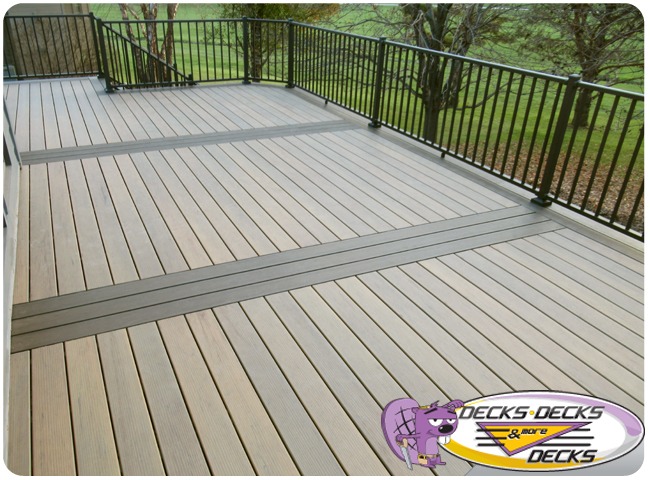
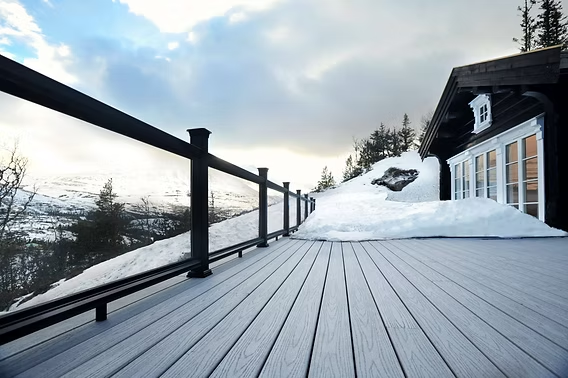
Snow Load Myths: What Nebraska Codes Actually Require for Decks

Snow Load Myths: What Nebraska Codes Actually Require for Decks

Every winter, Nebraska homeowners ask the same question: “Can my deck handle all this snow?”
The short answer — maybe.
The long answer depends on your deck’s design, age, materials, and local building codes.

At Decks, Decks & More Decks, we’ve rebuilt countless decks around Omaha and Papillion that didn’t meet proper snow load standards. Let’s clear up some common myths and explain what Nebraska codes actually require.


Myth #1: All Decks Are Built for Heavy Snow

Not true. Older decks, especially those built before 2012, were often designed under lighter code standards or without professional engineering.

Today, most areas in eastern Nebraska — including Omaha, Bellevue, and Gretna — follow a 40 pounds per square foot (PSF) live load requirement for decks. That means every square foot of deck surface must safely support 40 pounds of weight from snow, people, or furniture.

However, some municipalities increase this to 50 PSF for elevated decks or decks with roofs, hot tubs, or heavy snow exposure.

What it means for you:
If your deck is more than 10 years old, it might not meet current code for load capacity.


Myth #2: Composite Decks Can Hold More Weight

Composite decking like Trex®, TimberTech®, or Deckorators® is stronger than wood in many ways — but it doesn’t automatically increase structural load capacity.

The frame beneath the decking determines how much weight your deck can handle. The boards themselves are surface materials, not structural beams.

We design all composite decks with pressure-treated joists and engineered supports rated for modern Nebraska snow load codes — ensuring both performance and compliance.


Myth #3: It’s Safe to Leave Deep Snow on Your Deck

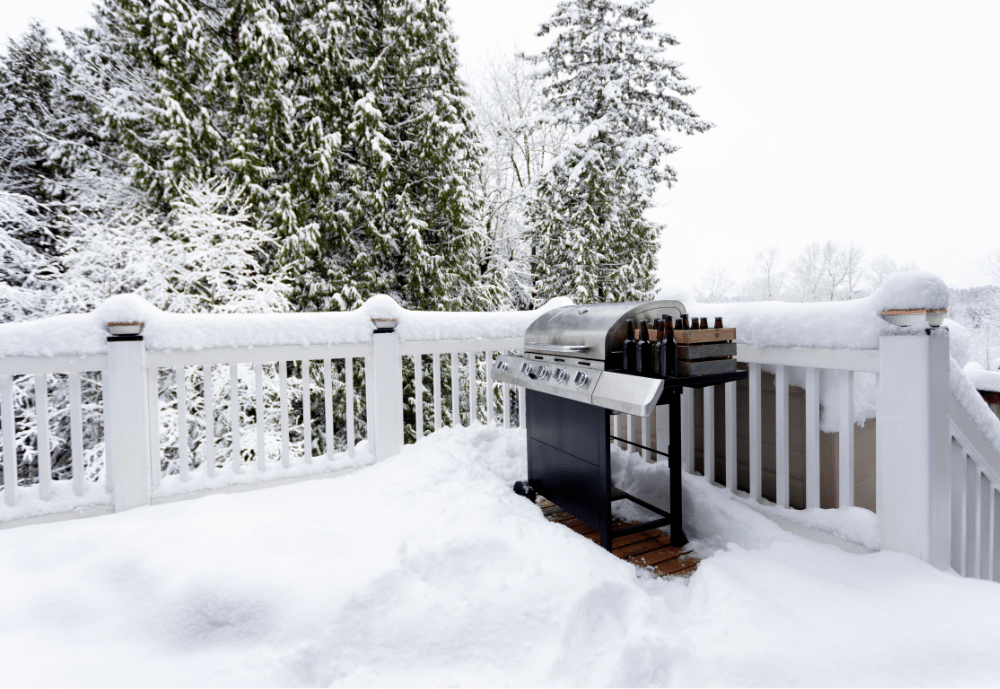
Leaving a thick blanket of snow might look pretty, but it adds serious stress to your framing.

Let’s do the math:

  • 1 cubic foot of wet snow weighs up to 20 pounds.

  • A 12×16 deck (192 sq. ft) can hold nearly 3,800 pounds of snow after just 12 inches of accumulation.

That’s nearly two tons of weight pressing down — often unevenly.

Pro tip:
Use a plastic shovel or broom to remove snow before it gets heavy. Never chip ice with a metal tool (it can scratch composite boards).


Myth #4: Handrails and Posts Don’t Matter for Load Ratings

Rails and posts aren’t just for looks — they help distribute load and resist movement.
A solid deck frame needs correct post spacing, lateral bracing, and joist hangers designed to handle downward and side pressure from snow and ice.

When we inspect decks in Papillion, Elkhorn, and Millard, the most common failure points are loose connections or undersized beams — both red flags during freeze-thaw cycles.


Myth #5: Only Elevated Decks Need to Worry About Snow Load

Ground-level decks can also suffer from heaving, water pooling, and frost damage when snow melts and refreezes around footings.

We use helical piers or deep concrete footings that extend below the frost line (about 42” in Nebraska). This prevents shifting or cracking even during extreme winters.


Bonus Tip: When to Schedule a Deck Inspection

If your deck is more than a decade old — or you’ve noticed sagging, creaking, or separation at the posts — it’s smart to get a professional inspection before winter.

Our team at Decks, Decks & More Decks checks:

  • Beam and joist sizing against snow load code

  • Ledger attachment to your home

  • Railing stability and post condition

  • Fastener corrosion or loose connections

We’ll give you an honest assessment and clear recommendations, whether it needs a tune-up, reinforcement, or full rebuild.


Final Thoughts

Snow load isn’t something to gamble with. The right materials and framing make the difference between a safe, sturdy deck — and one that gives under pressure.

With more than 45 years of experience building decks across Nebraska, Decks, Decks & More Decks ensures every project meets or exceeds state code.

Call (402) 690-1050 or visit our Papillion showroom to schedule your winter deck inspection today.

Elkhorn Luxury Decks: Design Ideas for Lake & Ravine Lots

Elkhorn Luxury Decks: Design Ideas for Lake & Ravine Lots

Elkhorn’s beautiful hillsides and lakefront neighborhoods make it one of the best places in Nebraska to build a deck — but they also make it one of the most challenging.
Sloped yards, ravine edges, and waterfront terrain require thoughtful design, strong engineering, and durable materials that can handle both elevation and exposure.

At Decks, Decks & More Decks, we specialize in custom deck construction for Elkhorn’s unique landscapes, blending safety, structure, and sophistication.

Here are a few luxury deck design ideas that maximize views and transform your lot into a showpiece.


1. Multi-Level Decks That Follow the Terrain

Instead of forcing a flat structure onto a sloped yard, we design multi-level decks that step naturally with the land.

Each level can serve a different purpose:

  • Upper deck: Dining or grilling area near the kitchen.

  • Lower deck: Lounge or fire pit area closer to the yard.

  • Intermediate platforms: Perfect transitions for views of the ravine or lake.

Using helical piers and engineered supports, we ensure every level is secure — even on steep or uneven ground.


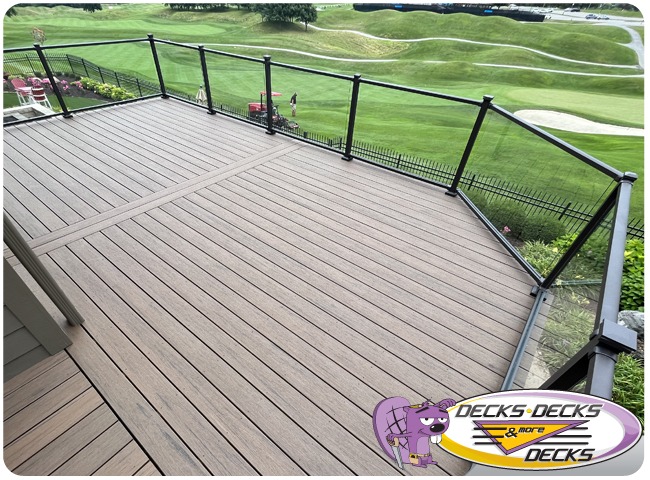
2. Glass Railing Systems for Uninterrupted Views

When you live near Skyline Ranches, Indian Creek, or the Elkhorn River, you don’t want to block the scenery.

That’s where glass railing systems come in.
They provide safety without sacrificing your view and pair beautifully with composite boards in soft grays, browns, or coastal tones.

We often combine glass with aluminum framing to create a clean, modern look that complements high-end homes.

Low-maintenance composite deck built by deck builder near me.


3. Built-In Lighting & Smart Features

Luxury decks deserve more than surface beauty — they should also perform year-round.

We integrate:

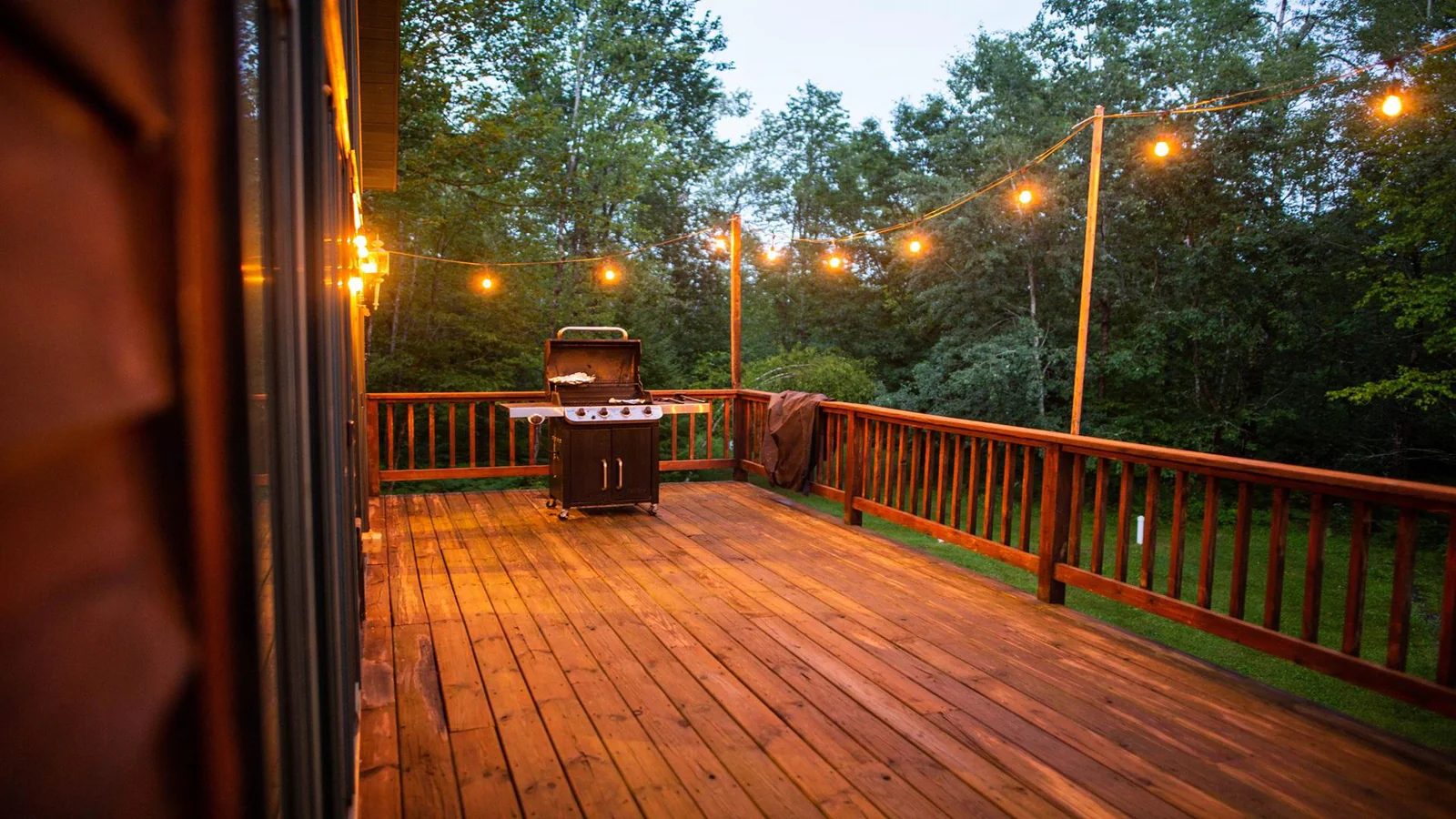
  • Low-voltage post and stair lighting for safety and ambiance.

  • Smart dimmers and color-changing LEDs for nighttime appeal.

  • Hidden wiring so every light looks intentional, not afterthought.

Lighting enhances both the aesthetic and functionality of your deck — especially near water, where visibility and reflection add dramatic effect.


4. Composite Materials That Withstand Moisture

For waterfront or ravine-edge properties, wood decking simply won’t hold up.

That’s why we recommend composite or PVC decking from trusted brands like:

  • TimberTech Azek® – 100% PVC core, unbeatable moisture resistance.

  • Trex Transcend® – Proven composite strength with rich color options.

  • Deckorators Voyage® – Excellent traction and heat resistance.

These materials won’t rot, splinter, or fade — and they stay beautiful through years of Nebraska’s sun, snow, and storms.


5. Pergolas & Shade Structures

Luxury isn’t just about space — it’s about comfort.

A pergola or covered deck section gives your outdoor area year-round usability while adding dimension and shade.
We can integrate cedar, aluminum, or composite pergolas that match your deck’s color palette for a unified, upscale appearance.


6. Under-Deck Living Spaces

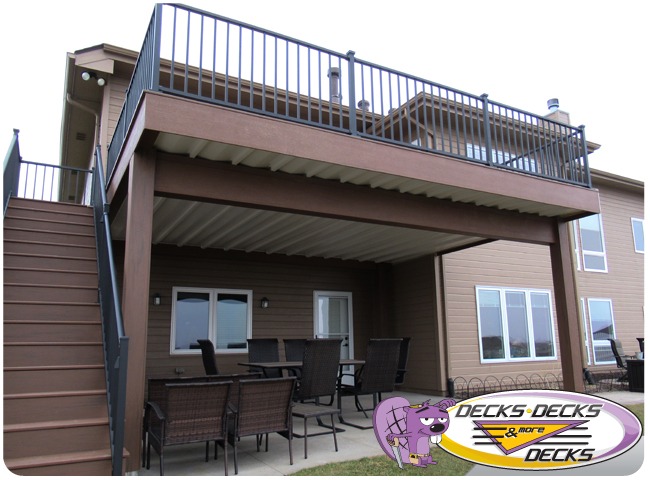
With Elkhorn’s steep lots, the space below your upper deck can become valuable square footage.

Add:

  • A stone patio or lounge area underneath

  • Under-deck drainage systems to keep it dry

  • Or even a hot tub area protected from the elements

It’s a perfect way to double your outdoor living area without expanding your footprint.


Build Your Dream Deck in Elkhorn

Every property in Elkhorn is unique — your deck should be too. Whether you live near Blue Sage, Skyline Ranches, or Elkhorn South, our team can design a deck that complements your home’s architecture and terrain while providing unmatched longevity.

Decks, Decks & More Decks has over 45 years of experience building custom composite decks that perform as beautifully as they look.

Call (402) 690-1050 or visit our Papillion showroom to start designing your Elkhorn luxury deck today.

Holiday Deck Lighting: Safe, Low-Voltage Ideas That Survive the Cold

Holiday Deck Lighting: Safe, Low-Voltage Ideas That Survive the Cold

When the snow starts to fall and the neighborhood lights up with color, your deck can become one of the best holiday displays on the block. But between freezing temps, moisture, and slippery surfaces, deck lighting during Nebraska winters needs more than good looks — it needs durability and safety.

At Decks, Decks & More Decks, we’ve helped Omaha homeowners design lighting setups that stay bright, festive, and functional all season long. Here are some of the best holiday deck lighting ideas that won’t quit when the cold rolls in.


1. Low-Voltage LED Lighting

Winter and electricity can be a risky mix — which is why low-voltage LED systems are the safest choice. They use a fraction of the power of traditional lights, run cooler, and reduce the chance of shorting out from snow or rain.

Great options include:

  • Post-cap LEDs: Subtle glow for deck railings and stairs.

  • Recessed stair lights: Perfect for safe footing on icy nights.

  • Perimeter strip lighting: Adds a clean, modern holiday look.

Pair them with a photo sensor or timer to automatically turn on at dusk and off by dawn.


2. Warm White Over Multicolor (For Winter Use)

Holiday lights are fun — but if you want a setup that lasts beyond December, warm white lighting is your best investment. It creates a cozy, year-round glow that fits every season.

If you prefer color, consider RGB smart bulbs with app control. You can set red and green for Christmas, then switch to gold or soft white for the rest of winter.


3. Keep Wiring Protected from Snow and Ice

Even outdoor-rated lights need a little help surviving Nebraska’s freeze-thaw cycle.

A few key tips:

  • Use weatherproof connectors and keep plugs off the ground.

  • Route cords through deck framing or behind fascia for protection.

  • Avoid running extension cords across walking areas — tape or clip them securely if needed.

For permanent setups, our crew runs all wiring through conduit or hidden channels, keeping everything shielded from moisture and freezing conditions.


4. Use a Dedicated Outdoor Circuit

If you’re plugging lights into an outdoor outlet, make sure it’s on a GFCI-protected circuit. These outlets automatically shut off power if moisture causes a short — a must for holiday safety.

We recommend limiting each outlet to 1,000 watts or less for lights, and avoiding daisy-chaining too many strands.


5. Highlight Deck Features (Not Just the Railings)

Your deck’s best holiday look might not be the one that blinds the neighbors — it’s the one that highlights the structure itself.

Try lighting ideas like:
✨ Wrapping string lights around support posts for a column effect.
✨ Adding spotlights under stairs for dramatic shadows in the snow.
✨ Installing LED strips beneath handrails for a sleek, hidden glow.

A well-designed deck lighting plan adds depth, safety, and style — not just brightness.


6. Permanent Lighting Systems

More Omaha homeowners are switching to permanent LED lighting systems that look like regular trim during the day and transform into programmable color lights at night.

They’re rated for subzero temperatures, require almost no maintenance, and last up to 50,000 hours — which means you can use them for holidays, parties, or cozy winter nights on the deck.


Final Thoughts

Your deck deserves to shine just as bright as your holiday spirit. With the right low-voltage lighting and weatherproof setup, you can enjoy a safe, stunning outdoor display that lasts long after the season ends.

At Decks, Decks & More Decks, we install and integrate lighting systems from top brands like Deckorators®, TimberTech®, and Trex® — all designed to handle Nebraska winters.

Call (402) 690-1050 or visit our Papillion showroom to explore lighting ideas and see how we can make your deck sparkle this season.

Gretna New-Builds & HOAs: Getting a Composite Deck Approved Fast

Gretna New-Builds & HOAs: Getting a Composite Deck Approved Fast

Building a new deck in Gretna, Nebraska should be exciting — not buried in paperwork. But for many homeowners moving into new developments, HOA (Homeowners Association) approvals can feel like a frustrating speed bump.

At Decks, Decks & More Decks, we help Gretna homeowners cut through the confusion by handling drawings, permits, and HOA submissions from start to finish. Here’s how to get your deck approved quickly and avoid unnecessary delays.


Why Gretna Decks Need HOA Approval

Most new Gretna neighborhoods — like those near Lakeview, Lincoln Ridge, and Aspen Creek — have HOA design rules that control:

  • Deck size and placement

  • Approved materials (usually composite only)

  • Railing styles and colors

  • Stain or paint finishes

  • Under-deck drainage and privacy walls

These guidelines protect property values and community appearance, but they also mean your deck plans must be submitted for approval before construction starts.


Step 1: Gather the Right Documents

HOAs usually require:

  • Detailed deck drawings or renderings (we provide these)

  • Material specs and color samples

  • Site plan or property survey showing deck placement

  • Contractor’s license and insurance information

When you work with us, we prepare all these items in your name and submit them directly to your HOA board for approval. That typically speeds up the process by 5–10 business days.


Step 2: Choose Materials That Get Approved Fast

If your goal is quick approval, composite decking is your best bet.
Most HOAs prefer brands that are low-maintenance and long-lasting, such as:

  • Trex Transcend® — Classic woodgrain look with deep colors.

  • TimberTech Azek® — Premium PVC design with fade-resistant color.

  • Deckorators Voyage® — Excellent traction and color variety.

All of these brands meet HOA and building code standards, so you won’t hit any snags during review.

Low-maintenance composite deck built for simplicity and durability.

This composite deck provides dependable outdoor comfort without annual upkeep. Designed for effortless care and long-term use.


Step 3: Match Neighborhood Style

A major reason for HOA rejections? Color or design mismatches.

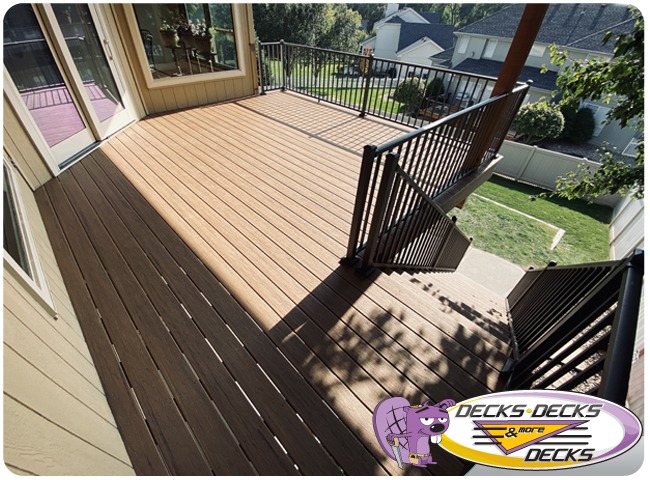
Stick with neutral tones like brown, gray, or tan that complement siding and fencing in your area. Modern horizontal railings or aluminum balusters also help decks blend seamlessly into newer subdivisions.

Our designers can match your deck to your home’s paint palette, siding, or roofing, ensuring a smooth approval on the first try.


Step 4: Submit Early — Before Spring Rush

Most Gretna HOAs meet monthly or bi-weekly, so submitting early can make all the difference.

By handling your design and paperwork in the off-season (late fall or winter), we often get approval before the spring backlog hits. That means your deck build can start the moment temperatures rise.


Step 5: Let Decks, Decks & More Decks Handle Everything

We’ve worked with dozens of Gretna HOAs and know exactly what they expect.
When you hire us, we:
✅ Create scaled deck drawings for HOA submission
✅ Provide color samples and product brochures
✅ Handle city permits once HOA approval clears
✅ Keep communication open with both you and the HOA

No stress, no miscommunication — just a smooth path from design to build.


Average Approval Timeline

Step Typical Timeframe
Design & Planning 1–3 days
HOA Review 5–10 business days
City Permit & Scheduling 3–5 days
Construction 2–5 days (weather permitting)

That means you can often go from idea to finished deck in under three weeks.


Build Your Gretna Deck the Right Way

Don’t let HOA red tape delay your outdoor living dreams. Whether you’re in a new subdivision or updating your builder-grade deck, Decks, Decks & More Decks knows the local rules, materials, and shortcuts to get your deck approved and built fast.

Call (402) 690-1050 or visit our Papillion showroom to start your Gretna deck design and approval process today.

Under-Deck Drainage for Snow & Ice: Keep the Patio Dry All Winter

Under-Deck Drainage for Snow & Ice: Keep the Patio Dry All Winter

Nebraska winters aren’t easy on decks — snow, slush, and ice melt can wreak havoc on both the surface and the space below. If you’ve got a second-story deck with a patio or storage area underneath, an under-deck drainage system is one of the smartest upgrades you can make before winter fully sets in.

At Decks, Decks & More Decks, we’ve installed hundreds of systems across Omaha, Papillion, and Bellevue to protect decks from water damage, ice buildup, and erosion. Here’s why they matter — and how they keep your space usable all year long.


What Is an Under-Deck Drainage System?

An under-deck drainage system is designed to collect and divert water that seeps between deck boards, channeling it away from the framing and open space below.

Think of it as a gutter system for your deck — installed just beneath the surface. It typically includes:

  • Trough panels or membranes that catch water runoff

  • Downspouts that direct the flow away from your house

  • Flashing and sealing to prevent drips or leaks

Systems like TimberTech DrySpace are made specifically for composite decks and integrate seamlessly into new or existing builds.

Accessory image of backyard deck replacement built by professional deck builder.


Why It Matters During Winter

Snowmelt and freeze-thaw cycles can cause serious damage if your deck isn’t properly drained.

Here’s what happens without a drainage system:

  • Melted snow seeps through deck gaps and freezes below, creating icicles and slip hazards.

  • Trapped moisture accelerates rot in wood framing.

  • Concrete patios under decks can erode, stain, or crack from constant runoff.

With a drainage system, that moisture is redirected safely away — keeping the lower space dry, clean, and usable all winter.


Benefits Beyond Winter

Even after the snow melts, under-deck drainage keeps working for you year-round:

Creates a usable dry space — great for patio furniture, storage, or outdoor kitchens.
Prevents mold and rot by keeping framing moisture-free.
Adds value to your home by protecting your investment.
Pairs perfectly with composite decking for a lifetime of low maintenance.

Many homeowners in Papillion and Elkhorn use this system to turn the area beneath their deck into a covered outdoor room — perfect for grilling, entertaining, or relaxing out of the weather.


Our Installation Process

At Decks, Decks & More Decks, we integrate drainage systems directly during deck construction — but they can also be retrofitted on existing decks.

Here’s how we handle it:

  1. Inspection: We evaluate your current deck framing for slope and spacing.

  2. Installation: Drainage panels and downspouts are installed beneath the boards.

  3. Sealing: Flashing is added where needed for full water protection.

  4. Testing: We simulate runoff to ensure everything flows properly.

The end result — a fully sealed, dry area ready for Nebraska’s unpredictable weather.


Keep Your Patio Dry All Winter

A well-built deck isn’t just about looks — it’s about performance through every season. If you’re tired of snowmelt dripping through your boards or water pooling under your deck, an under-deck drainage system is your year-round solution.

Decks, Decks & More Decks is Omaha’s top choice for composite decking and waterproof drainage installs that last decades.

Call (402) 690-1050 or visit our Papillion showroom to explore TimberTech DrySpace and other drainage options in person.

Bellevue Deck Replacement: When Repairs Stop Making Sense

Bellevue Deck Replacement: When Repairs Stop Making Sense 

Every deck reaches a point where another “quick fix” just isn’t worth it.
Boards start to splinter faster than you can replace them, railings loosen, and staining becomes an endless chore. If you’re a homeowner in Bellevue, Nebraska, here’s how to tell when your deck needs a full replacement — and what that investment actually looks like in 2025.


When Deck Repairs Aren’t Enough Anymore

There’s a big difference between a repairable deck and one that’s simply worn out.
Here are the most common red flags Bellevue homeowners run into:

  • Rotting or soft joists: Structural rot can’t be patched — it compromises the frame.

  • Swaying or uneven feel: Indicates post or footing failure, usually beyond repair.

  • Fasteners pulling out: The wood has lost density and won’t hold screws anymore.

  • Endless peeling or staining cycles: The surface can’t absorb stain properly — the wood is aged out.

When several of these show up at once, repairs are just delaying the inevitable.


Why Bellevue Homeowners Are Choosing Replacement Over Repair

Over the past few years, we’ve seen more Bellevue homeowners move from traditional cedar decks to low-maintenance composite decking — and for good reason:

No annual staining or sealing
Resists rot, moisture, and termites
Stays looking new for decades
Higher resale value and warranty coverage

A full replacement lets you upgrade the structure, modernize the layout, and choose a composite brand that fits your home’s style — like Trex, TimberTech, Deckorators, or Fiberon.

Low-maintenance composite deck built by professional deck builder.


Bellevue Deck Replacement Example

We recently completed a TimberTech replacement near Offutt Air Force Base — transforming an old, warped cedar deck into a sleek, gray composite design with aluminum railings and under-deck drainage.

The homeowner went from annual maintenance headaches to a zero-maintenance outdoor space ready for every season.


Our Process: Simple, Fast, Stress-Free

At Decks, Decks & More Decks, we’ve streamlined the replacement process into three clear steps:

  1. On-Site Consultation: We assess your existing frame and foundation.

  2. Design & Material Selection: Choose your favorite brand, color, and railing.

  3. Build & Permit Management: We handle permits, removal, and full rebuild.

No confusion, no subcontracting — just decades of experience and professional craftsmanship.


Ready to Replace Your Bellevue Deck?

When your old deck starts holding you back, a full replacement is the smartest investment you can make in your home’s safety, value, and comfort.

Decks, Decks & More Decks is Bellevue’s trusted composite deck replacement contractor — and with over 45 years of experience, we make it easy from start to finish.

Call (402) 690-1050 or visit our Papillion showroom to see materials in person and schedule your free replacement quote.

Trex vs TimberTech in Nebraska Winters: Freeze-Thaw, Traction & Warranty Compared

Trex vs TimberTech in Nebraska Winters: Freeze-Thaw, Traction & Warranty Compared

When Nebraska winters hit, your deck takes the full force of the freeze-thaw cycle — snow, ice, salt, and the occasional 60° day that turns everything to slush. If you’re deciding between Trex and TimberTech, you’re probably wondering which one holds up best when the temperature drops.

As Omaha’s only Platinum Contractor for both Trex and TimberTech, Decks, Decks & More Decks has seen firsthand how these materials perform through decades of Midwest winters. Let’s break down the differences that matter most for homeowners.


1. Freeze-Thaw Durability

Both brands are built to handle extreme temperature swings, but their core construction is slightly different:

  • Trex: Uses a wood-plastic composite core that’s capped on three sides. It resists moisture well, but the core can still expand slightly with freeze-thaw changes.

  • TimberTech (Azek line): Made from 100% PVC, meaning it absorbs virtually no moisture and remains dimensionally stable even in repeated freezing and thawing.


2. Snow & Ice Traction

Slippery decks are a winter hazard, especially when snow melts and refreezes.

  • Trex Transcend: Has a more pronounced wood-grain texture that improves grip even when wet.

  • TimberTech Advanced PVC: Slightly smoother surface but engineered with embossed grain for traction. TimberTech’s “Landmark” series, in particular, offers excellent slip resistance.

Pro Tip: Add matte or grooved finishes if you expect high foot traffic in icy conditions.


3. Color Fade & Cold Cracking

Nebraska winters bring more than snow — UV rays still hit hard on clear, cold days.

  • Trex: The composite cap helps prevent fading but can slightly dull after years of UV exposure.

  • TimberTech: Uses advanced fade-resistant pigments and is less likely to crack in subzero weather due to its PVC flexibility.


4. Maintenance in Cold Months

Both Trex and TimberTech are considered low-maintenance, but winter cleanup can differ:

  • Trex: Brush off snow with a plastic shovel — avoid salt or metal edges.

  • TimberTech: Can handle calcium chloride ice melt without damage, a plus for families needing safe steps.


5. Warranty & Long-Term Value

Both brands offer long-term protection — but it depends on which series you choose.

Brand Fade & Stain Warranty Structural Warranty Notable Coverage
Trex Transcend 25 Years 25 Years Covers residential freeze-thaw cracking
TimberTech Azek 50 Years Lifetime Includes moisture and weathering protection


6. Which One Do We Recommend for Nebraska Winters?

For most homeowners, it comes down to this:

  • Trex: Great balance of price and performance; ideal for covered or partially shaded decks.

  • TimberTech: The premium choice for open, exposed decks that face the full brunt of Nebraska weather.

At Decks, Decks & More Decks, we install both — and we’ll help you choose based on your home’s layout, sunlight, and snow exposure.


Final Thoughts

When you’re investing in a deck meant to last through decades of Omaha winters, material choice matters. Whether you lean toward Trex’s classic strength or TimberTech’s advanced PVC, both offer beauty, safety, and longevity that far exceed wood.

Ready to compare samples in person?
Visit our Papillion showroom or call (402) 690-1050 to explore real deck boards in our climate-controlled display area.

Papillion Deck Permit Checklist 2025: Fees, Timelines & What We Handle For You

Papillion Deck Permit Checklist 2025: Fees, Timelines & What We Handle For You

If you’re planning a new deck in Papillion, Nebraska, you’ll need a city permit before the first post hits the ground. The good news? Decks, Decks & More Decks handles all of it — the paperwork, drawings, and inspections — so you can skip the red tape and focus on design.

Whether you’re adding a brand-new composite deck, replacing an old cedar one, or upgrading your railing system, here’s what to know about the Papillion deck permit process for 2025.


Do You Need a Deck Permit in Papillion?

Yes — almost every deck project requires one. Papillion’s building department uses permits to make sure decks meet current safety codes, load requirements, and inspection standards.

You’ll need a permit if your deck:

  • Is attached to your home or more than 30” above grade.

  • Involves new framing, footings, or structural changes.

  • Includes a new railing system or stairs.

  • Adds electrical components such as lighting or a hot tub hookup.

If you’re simply resurfacing a deck with the same materials and layout, you may not need a full permit — but it’s always best to check before you build.


Papillion Deck Permit Fees 

Permit costs are based on your project size and estimated value.

There may also be small fees for plan reviews or electrical permits if your deck includes lighting, outlets, or heaters.

At Decks, Decks & More Decks, we include these fees and filings in your overall project cost — no surprise add-ons later.

Omaha composite deck built with modern low-maintenance design.


Timeline: How Long Does Approval Take?

The City of Papillion typically reviews residential deck permits within 5–10 business days, depending on season and complexity.
Our team streamlines that by:

  • Submitting engineered drawings and site plans that meet code the first time.

  • Coordinating directly with city inspectors for both footing and final inspections.

  • Keeping your build moving so your project doesn’t sit in backlog.

Most of our Papillion clients are approved and under construction in less than two weeks.


Why It’s Worth Letting Us Handle the Paperwork

The paperwork isn’t glamorous — but getting it right matters.
We’ve managed hundreds of deck permits across Papillion and Sarpy County, which means we already know the inspectors, the checklist, and the codes.

When you work with Decks, Decks & More Decks, you get:
✅ Complete permit preparation and submission
✅ Professionally drawn plans that meet Papillion code
✅ Coordination with inspectors and HOAs
✅ Peace of mind that everything’s built legally and safely


Final Thoughts

Getting a deck permit in Papillion doesn’t have to slow you down.
When you hire Decks, Decks & More Decks, our team handles everything — from blueprints to inspection sign-offs — so you can enjoy your new deck without the stress.

Ready to start your project?
Visit our showroom in Papillion, or call (402) 690-1050 to schedule your free consultation today.

Expert Deck Building Services in Omaha – Decks, Decks, and More Decks

Expert Deck Building Services in Omaha – Decks, Decks, and More Decks

When it comes to transforming your backyard into the ultimate hangout spot, nothing beats a beautifully built deck. At Decks, Decks, and More Decks, we’ve been serving the Omaha area for over 40 years, helping families create custom outdoor spaces that are built to last. Whether you’re looking for a cozy spot to relax after work, a large entertainment space for gatherings, or a durable composite deck that requires minimal maintenance, we’ve got you covered.

Why Omaha Homeowners Choose Us

Building a deck isn’t just about wood, nails, and screws—it’s about trust, experience, and craftsmanship. That’s why Omaha homeowners have turned to Decks, Decks, and More Decks for decades. Here’s what sets us apart:

  • Local Expertise – We understand Nebraska’s unique climate and build decks designed to handle everything from blazing summers to icy winters.

  • Custom Designs – No two homes are the same, so why should your deck be? We create decks that match your home’s style, your needs, and your budget.

  • Proven Reputation – With thousands of successful projects in Omaha and surrounding communities, our name speaks for itself.

  • Quality Materials – From natural cedar to high-performance composite decking, we use only materials that stand the test of time.

Deck Options We Offer

At Decks, Decks, and More Decks, you’re not limited to a “one-size-fits-all” approach. We build:

  • Traditional Wood Decks – Perfect for a warm, natural look with endless customization.

  • Composite Decks – Low-maintenance and long-lasting, with the added benefit of modern style.

  • Multi-Level Decks – Maximize space and add a wow factor to your backyard.

  • Custom Railings, Lighting & Add-Ons – Turn your deck into a complete outdoor living experience.

Serving Omaha and Beyond

We’re proud to call Omaha home and extend our services throughout the metro area, including Bellevue, Papillion, La Vista, Ralston, Gretna, Elkhorn, and beyond. No matter where you live, our team is dedicated to delivering the same quality, craftsmanship, and customer service that Omaha has trusted for generations.

Ready to Build Your Dream Deck?

Your backyard has unlimited potential—let us help you unlock it. From design to construction, Decks, Decks, and More Decks is here to make the process simple, stress-free, and rewarding.

Call us today at 402-690-1050 or visit DecksDecks.com to schedule your consultation.

What Not to Fix When Selling a House: Key Areas to Leave Alone

What Not to Fix When Selling a House: Key Areas to Leave Alone

When preparing to sell a house, it’s natural to want to make it as appealing as possible to potential buyers. However, not all repairs or renovations will necessarily add value to your property. In some cases, investing time and money into certain fixes can be a waste, or even counterproductive. Here’s a guide to what you should avoid fixing when selling your house to ensure you spend your resources wisely.

1. Over-Personalized Decor

Why You Should Avoid It:

  • Personal Taste: Personalized or custom decor may not appeal to the broad range of potential buyers. What you find appealing might not suit their tastes.
  • Cost vs. Value: The cost of updating personalized features to a more neutral style might not yield a significant return on investment.

What to Do Instead:

  • Neutralize: If your home has overly bold or unique decor, focus on neutralizing the space with a fresh coat of paint in neutral colors. This makes it easier for buyers to envision their own style in the home.

2. High-End Upgrades

Why You Should Avoid It:

  • ROI Concerns: Expensive upgrades like luxury appliances or high-end fixtures may not provide a proportional return on investment. Buyers often prefer to use their own budget to make these decisions.
  • Market Expectations: High-end features may not align with the expectations or budgets of the target market for your home.

What to Do Instead:

  • Basic Repairs: Focus on basic repairs and maintenance that are necessary to ensure the home is in good condition, rather than investing in luxury upgrades.

3. Extensive Landscaping Projects

Why You Should Avoid It:

  • Cost vs. Appeal: Extensive landscaping projects can be costly and may not have the same impact as other, more immediate home improvements.
  • Personal Preferences: Landscaping tastes vary greatly, and what you find attractive might not appeal to all buyers.

What to Do Instead:

  • Maintenance: Ensure that the lawn is well-maintained and tidy. Simple landscaping improvements, like trimming bushes and mowing the lawn, are more cost-effective and generally appreciated.

1,366,100+ House Construction Stock Photos, Pictures & Royalty-Free Images - iStock | Home construction, Construction, Construction site

4. Major Structural Repairs

Why You Should Avoid It:

  • Buyer Concerns: Major structural issues, such as foundation problems or significant roof repairs, might deter buyers, but they may also be aware of these issues through a home inspection.
  • Cost Implications: Major repairs can be very costly and may not always increase the value of the home proportionately.

What to Do Instead:

  • Disclosure: Be transparent about any major issues. It’s better to disclose problems and allow the buyer to address them. This builds trust and helps avoid complications during the sale process.

5. Overly Trendy Renovations

Why You Should Avoid It:

  • Changing Trends: Trends change quickly, and what is popular now might not be in a few years. Overly trendy renovations can date the home as soon as the trend passes.
  • Broad Appeal: Buyers have varied tastes, and highly trendy renovations may not appeal to everyone.

What to Do Instead:

  • Timeless Updates: Stick to timeless updates that have broad appeal, such as fresh paint and basic repairs. These improvements are more likely to enhance the overall attractiveness of the home without risking obsolescence.

6. DIY Projects Gone Wrong

Why You Should Avoid It:

  • Quality Concerns: Poorly executed DIY projects can detract from the home’s value and may even raise red flags for potential buyers regarding the overall quality of the home.
  • Professional Appeal: Buyers often prefer to see work done by professionals to ensure that repairs are up to standard.

What to Do Instead:

  • Professional Repairs: If DIY projects are incomplete or poorly done, consider hiring a professional to correct them before listing the home. This ensures that repairs are done correctly and can increase buyer confidence.

Conclusion

When selling your house, it’s important to focus on repairs and improvements that offer the best return on investment. Avoid spending money on over-personalized decor, high-end upgrades, extensive landscaping, major structural repairs, overly trendy renovations, or DIY fixes that might not meet professional standards. Instead, concentrate on essential repairs and maintenance that will make your home more attractive to potential buyers without breaking the bank.

Check Out This Blog!