How Decking Technology Has Changed in the Last 10 Years (And Why It Matters Now)

How Decking Technology Has Changed in the Last 10 Years (And Why It Matters Now)

If you haven’t looked at decking options in the last decade, you might be surprised by how much has changed. What used to be a fairly simple choice—wood or composite—has evolved into a much more advanced decision involving materials science, manufacturing technology, and long-term performance.

Over the past 10 years, decking has quietly gone through a technological upgrade. And in 2026, those changes matter more than ever.


1. Composite Decking Is No Longer “Plastic Wood”

Early composite decking had a reputation for fading, staining, and feeling artificial underfoot. Modern composite boards are a completely different product.

Today’s composites use:

  • Advanced capped polymer shells

  • Multi-layer extrusion

  • Improved color blending and embossing techniques

The result is decking that looks more natural, resists moisture far better, and holds color dramatically longer—even in full sun.


2. Moisture Resistance Has Improved Across the Board

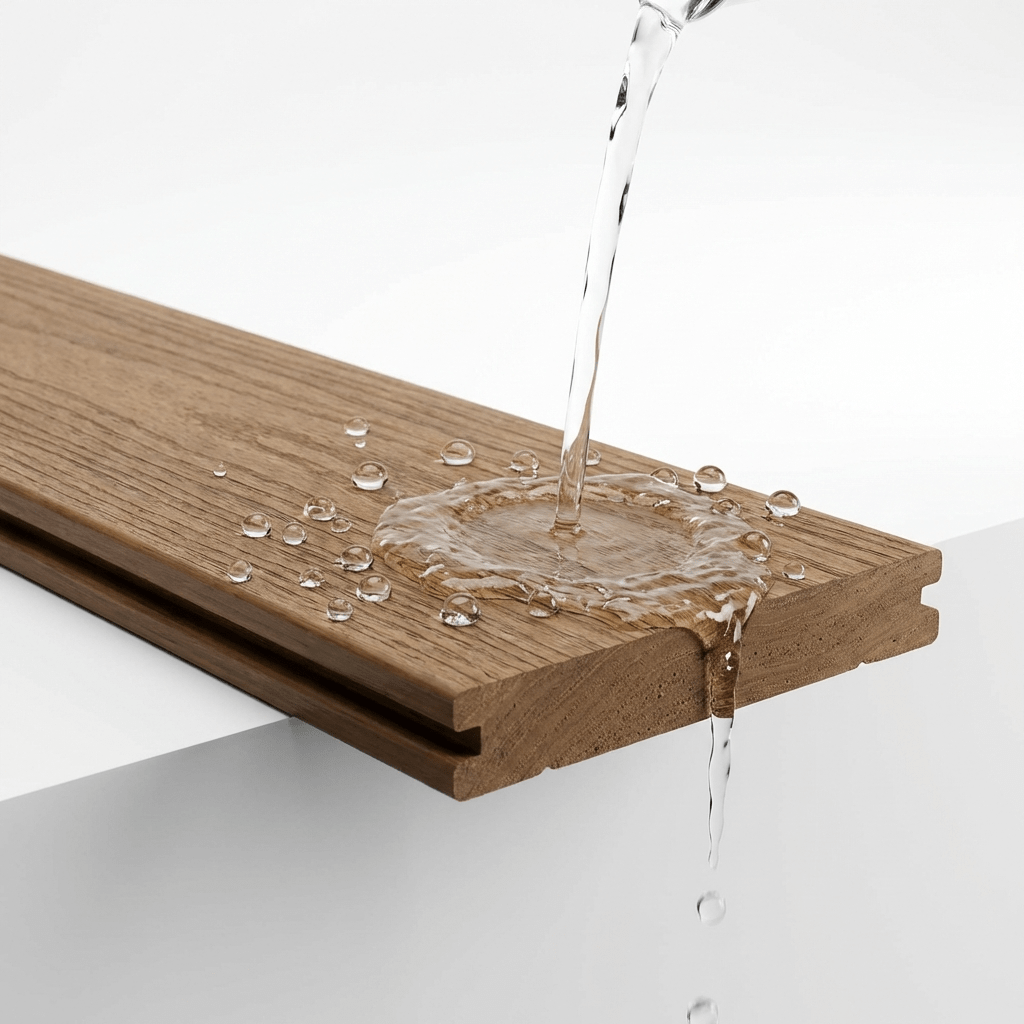
One of the biggest technological shifts is how decking materials handle water.

Modern decking is engineered to:

  • Reduce water absorption

  • Resist mold and mildew growth

  • Minimize expansion and contraction

This matters most in areas with freeze–thaw cycles, humidity swings, and heavy rain. Decks built today are simply better equipped to survive long-term environmental stress than those built 10 years ago.

3. Color Technology Has Become Smarter

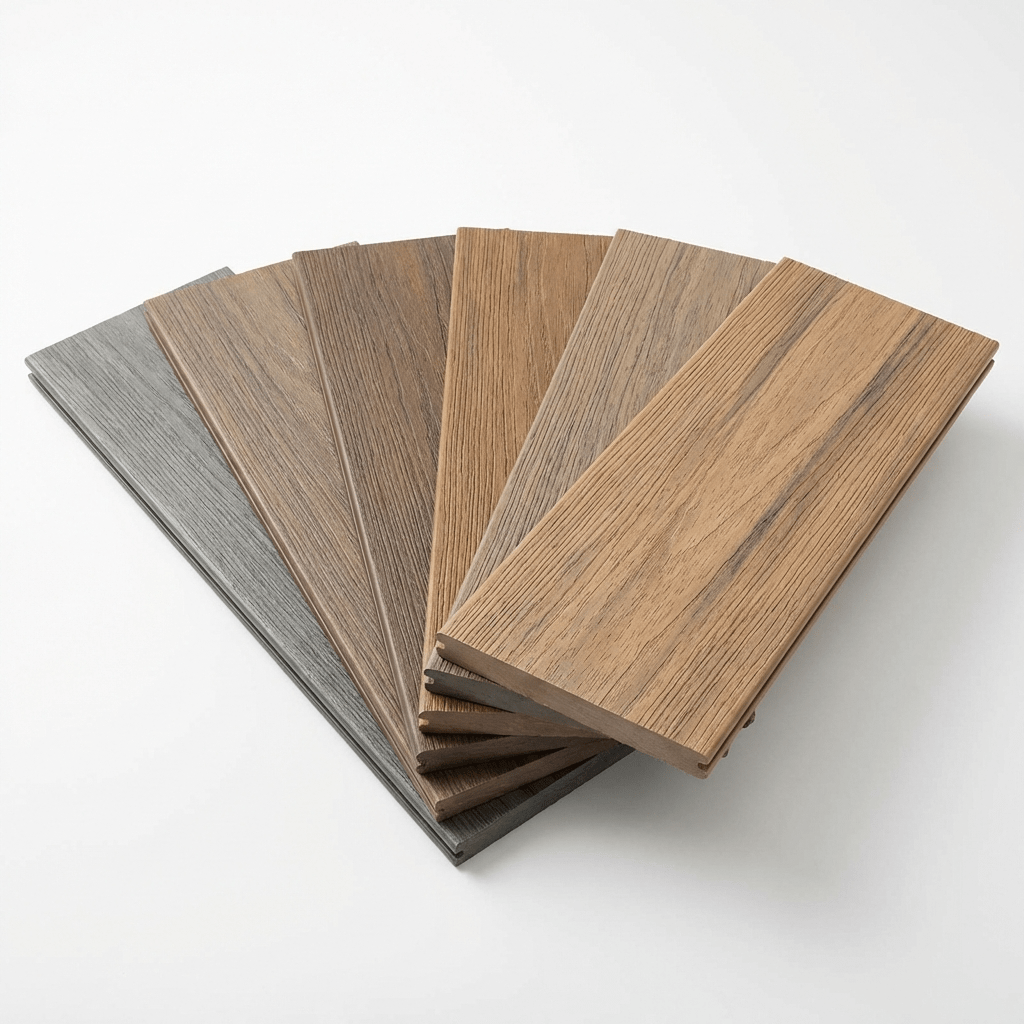
Deck colors used to fade fast or look flat. Now, manufacturers use layered pigmentation and UV-resistant coatings that create depth and variation.

Current trends favor:

  • Warm, natural tones

  • Matte and low-gloss finishes

  • Subtle grain patterns that age gracefully

In 2026, decking colors are designed to complement modern architecture instead of overpowering it.


4. Structural Components Have Quietly Improved

Decking technology isn’t just about boards. Hardware, fasteners, and framing systems have also evolved.

Modern systems now offer:

  • Hidden fastening for cleaner finishes

  • Corrosion-resistant hardware

  • Improved railing connections and safety features

These upgrades reduce squeaks, movement, and visible wear over time—things homeowners often notice years after the build.


5. Maintenance Expectations Have Shifted

A decade ago, routine staining and sealing were considered normal. Today, homeowners expect decks to stay attractive with minimal upkeep.

Technological advances now allow:

  • Long-term color retention

  • No sanding, staining, or sealing

  • Easier cleaning with basic soap and water

This shift has changed how people evaluate value. In 2026, long-term maintenance costs matter just as much as upfront price.

6. Deck Design Is Now Technology-Driven

Design flexibility has expanded thanks to thinner profiles, stronger materials, and modular systems.

This allows for:

  • Multi-level layouts

  • Integrated lighting and accessories

  • Cleaner transitions between indoor and outdoor spaces

Decks are no longer just platforms—they’re engineered outdoor living environments.


Why This Matters in 2026

Decking technology has reached a point where the gap between outdated materials and modern systems is impossible to ignore. Choosing products based on how decks were built 10 years ago often leads to disappointment today.

Homeowners planning a deck in 2026 benefit most by understanding:

  • How materials actually perform long-term

  • Why newer systems cost more—but save money over time

  • How design and durability now go hand in hand

The best decks built today aren’t just better looking—they’re smarter, stronger, and built to last longer with less effort.
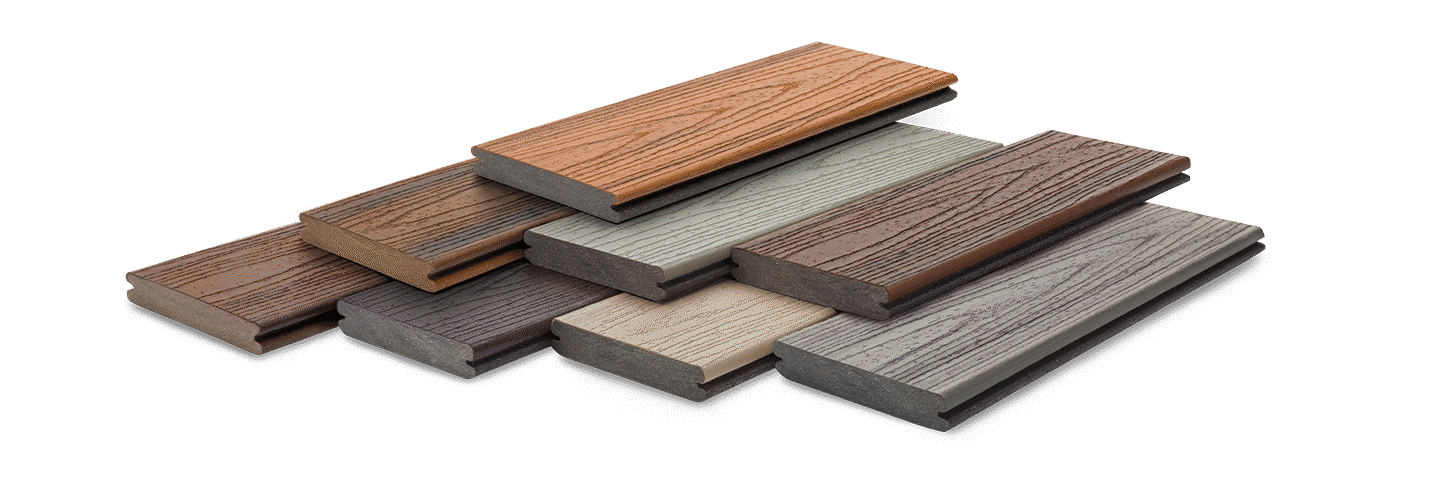
Deck Colors & Finishes That Define 2026

Deck Colors & Finishes That Define 2026

Deck color choices in 2026 are more intentional than ever. Homeowners aren’t chasing trends for the sake of change—they’re choosing colors and finishes that feel natural, timeless, and easy to live with. The focus has shifted away from extremes and toward tones that age gracefully and blend seamlessly with the home and landscape.

Here are the deck colors and finishes shaping outdoor spaces in 2026.


1. Warm Neutrals Take the Lead

Cold grays are fading, replaced by warmer neutrals that feel more organic and inviting. These tones complement a wide range of siding styles, stonework, and landscaping.

Popular warm-neutral directions include:

  • Light browns and soft tans

  • Driftwood-inspired blends

  • Greige tones with subtle warmth

These colors offer flexibility without feeling plain.

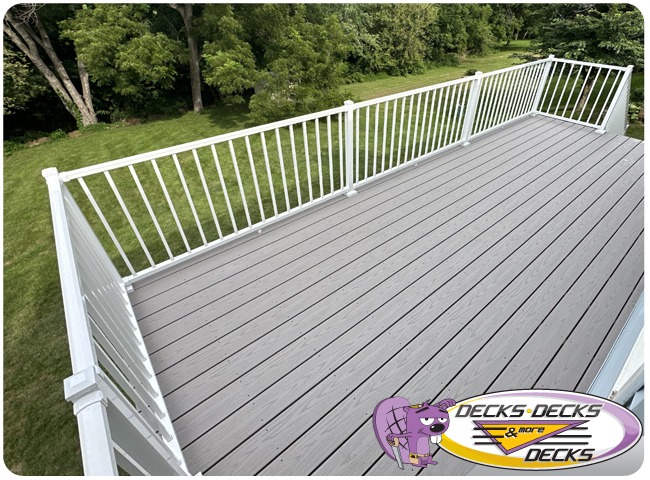
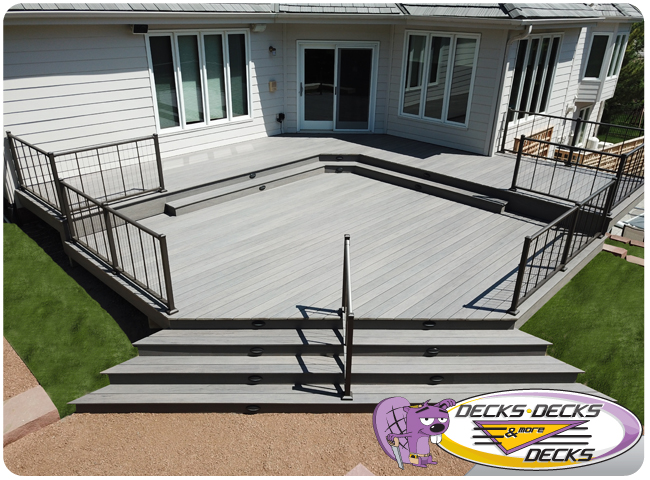
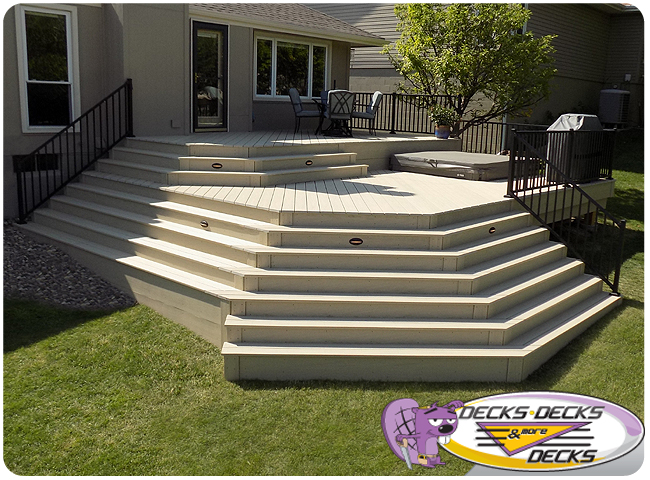
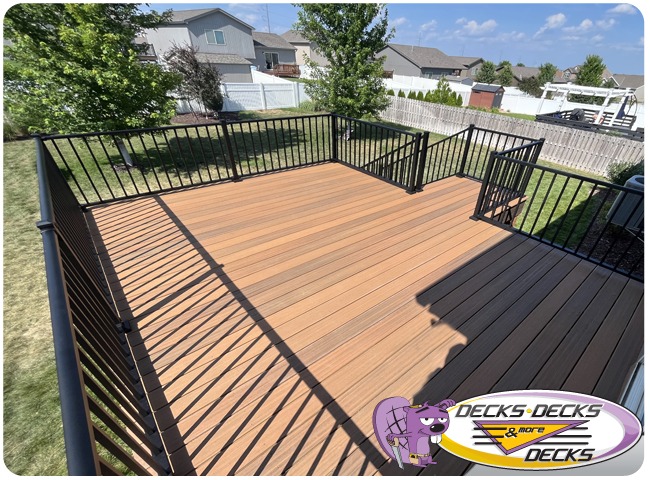
Composite deck built with durable, low-maintenance materials.

Full composite deck construction built to last with low-maintenance materials.


2. Lighter Decking for Brighter Spaces

In 2026, lighter deck colors are becoming a practical choice, not just an aesthetic one. Lighter tones stay cooler underfoot and help outdoor spaces feel more open.

Homeowners are choosing:

  • Soft beige and sand tones

  • Light gray with warm undertones

  • Multi-tone boards that reduce glare

These finishes enhance comfort while maintaining a clean look.


3. Subtle Grain Patterns Over Heavy Texture

Highly dramatic grain patterns are giving way to more refined finishes. Decking in 2026 emphasizes consistency and realism without overpowering the space.

Key finish trends include:

  • Natural-looking wood grain

  • Matte or low-sheen surfaces

  • Textures designed for grip without roughness

The result is a deck that looks polished without feeling artificial.


4. Coordinated Color Systems

Decks in 2026 are designed as complete systems, not isolated elements. Colors are chosen to coordinate with railings, fascia, stairs, and accents.

Common approaches:

  • Matching fascia for a seamless edge

  • Contrasting railings for visual balance

  • Consistent tones across stairs and landings

This creates a unified, intentional appearance.


5. Finishes That Hide Wear Over Time

Homeowners want decks that look good years down the road. In 2026, finishes are selected not just for color—but for how they age.

Preferred finishes:

  • Multi-tone boards that mask dirt and wear

  • Matte surfaces that reduce glare and scuff visibility

  • Colors that fade evenly rather than blotch

Longevity is part of the design decision.


Final Thought

Deck colors and finishes in 2026 strike a balance between style and practicality. Warm neutrals, lighter tones, and refined textures help decks feel modern without feeling trendy. The best choices are the ones that look just as good years later as they do on day one.

Composite Decking Guide: Brands, Pricing, and Design Ideas

Your Guide to Composite Decking: Brands, Pricing, and Design Ideas

Composite decking has become a popular choice for homeowners looking for a low-maintenance, durable outdoor space. From trusted brands to design ideas and pricing, here’s everything you need to know to make an informed decision for your deck project in Omaha and beyond.

1. Top Composite Deck Brands to Consider

Choosing the right composite deck brand is essential for quality and durability. Popular brands like Trex, TimberTech, and Fiberon are known for their high-performance products, offering a range of styles, colors, and finishes. Each brand has unique features, such as slip resistance or fade protection, which can help you find the perfect option for your needs.

2. Pictures and Ideas for Inspiration

Looking for design inspiration? Composite deck pictures and ideas can help you envision what’s possible for your own outdoor space. From multi-level decks to cozy seating areas, composite decking offers versatility in style and layout. Consider features like built-in benches, pergolas, and lighting to personalize your space. Many composite deck brands offer galleries showcasing their products in various settings to spark your creativity.

3. Composite Decking Near Omaha: Finding Local Options

If you’re searching for composite decking near Omaha, there are plenty of local suppliers and contractors who specialize in composite materials. Many local providers offer a range of options and can provide samples to help you choose the best color and texture. Working with a local Omaha contractor ensures that your composite deck is built to withstand the area’s climate and meets all local building codes.

4. Pricing: What to Expect

Pricing varies based on brand, quality, and style. On average, composite decking costs range from $4 to $12 per square foot for materials alone, with installation adding to the overall cost. Although it has a higher upfront cost compared to wood, composite often proves more cost-effective over time due to its low maintenance and long lifespan. Many brands offer different pricing tiers, so you can find options that match your budget and style.

5. Pros and Cons

Like any material, composite decking has its pros and cons. The main advantages include low maintenance, resistance to fading and staining, and eco-friendly options made from recycled materials. However, it can be more expensive than wood initially and may require a professional installation for best results. Weighing the pros and cons will help you decide if composite decking is the right choice for your lifestyle and budget.

Final Thoughts on Choosing

Composite decking provides a durable, stylish solution for creating an inviting outdoor space. From selecting reputable brands to finding local suppliers near Omaha and considering pricing, there’s a lot to think about when choosing composite decking. With the right research and planning, you can design a composite deck that enhances your home’s value and provides years of enjoyment.

Click Here to Learn more!

Discover the Advantages of Composite Decks: Durability, Style, and Low Maintenance

Discover the Advantages of Composite Decks: Durability, Style, and Low Maintenance

Composite decks have revolutionized the decking industry, offering homeowners a durable, stylish, and low-maintenance alternative to traditional wood. If you’re considering a new deck or upgrading your existing one, here are the key advantages of composite decking that make it a top choice.

1. Low Maintenance for a Stress-Free Outdoor Space

One of the biggest advantages of composite decks is their low maintenance. Unlike wood decks, which require regular staining, sealing, or painting, composite decking only needs occasional cleaning with soap and water. This makes it an ideal option for homeowners who want to enjoy their outdoor space without the hassle of frequent upkeep.

2. Durability That Lasts for Decades

Composite decking is designed to withstand the elements. It resists rot, mold, and insect damage, which are common issues with wood decks. High-quality composite decks are also resistant to fading, scratching, and staining, ensuring they retain their beauty for years to come, even in harsh climates.

3. A Wide Range of Styles and Colors

Composite decks offer a wide variety of styles, colors, and textures to suit any aesthetic. Whether you prefer the natural look of wood grain or a sleek modern finish, composite decking allows you to customize your outdoor space to match your home’s design. Many brands also offer matching railings and accessories for a cohesive look.

4. Eco-Friendly Options for Sustainable Living

Many composite deck brands use recycled materials, such as plastic and wood fibers, making them an environmentally friendly choice. By choosing composite decking, you’re helping reduce waste while enjoying a product that’s built to last.

5. Resistant to Weather and Climate Challenges

Composite decks are built to handle extreme weather conditions, from heavy rain to intense sunlight. They don’t warp, crack, or splinter like wood, making them ideal for areas with fluctuating temperatures. Composite decking also stays cooler underfoot than some materials, providing added comfort during hot summers.

6. Long-Term Value for Your Investment

While the upfront cost of composite decking may be higher than wood, its long lifespan and minimal maintenance costs make it a more cost-effective choice in the long run. With composite decking, you’ll spend less time and money on repairs and upkeep, allowing you to enjoy your deck worry-free.

Final Thoughts on the Advantages of Composite Decks

Composite decks offer a perfect blend of beauty, durability, and practicality. Whether you’re drawn to their low maintenance, stylish designs, or eco-friendly benefits, investing in a composite deck ensures you’ll have a functional and inviting outdoor space for years to come.

Click Here to Learn more!

The Best Deck Options

The Best Deck Options: Cleaners, Materials, and Projects for Every Need

Creating the perfect deck involves careful consideration of materials, installation methods, and ongoing maintenance. Whether you’re looking to restore an old deck or start a new project, here’s a guide to the best deck cleaners, materials, and other essentials to keep your deck in top shape.

1. Best Deck Cleaner for a Fresh Start

The right deck cleaner can make a significant difference in the appearance and longevity of your deck. Look for a cleaner that’s suited to your deck material, such as a specialized wood cleaner for natural wood or a gentle cleanser for composite materials. Oxygenated cleaners are often the best deck cleaners for removing dirt, mold, and mildew without damaging the surface.

2. Best Deck Installation Tips

Proper installation is key to building a sturdy and long-lasting deck. Hiring a professional ensures that the deck is installed safely and to code, but if you’re going the DIY route, be sure to use quality fasteners, level the deck, and consider future maintenance needs. The best deck installations also account for drainage and structural integrity, giving you a deck that’s built to last.

3. Best Deck Material Options

There are several materials to choose from when building a deck, each with its own set of advantages. Wood, composite, PVC, and aluminum are popular options. The best deck material options depend on your budget, desired maintenance level, and climate. Composite and PVC are low-maintenance choices, while natural wood offers classic beauty with more upkeep.

4. Best Deck Materials for Durability and Style

When it comes to choosing the best deck materials, consider how much maintenance you’re willing to handle. Cedar and redwood are beautiful wood options with natural rot resistance, while composite and PVC offer durability with minimal upkeep. Aluminum is an increasingly popular choice for its strength and sleek, modern look.

5. Best Deck Projects for Every Backyard

Whether you’re adding a simple deck extension or designing a multi-level outdoor oasis, there are plenty of deck projects to suit any backyard. Some of the best deck projects include adding built-in seating, incorporating planter boxes, or creating zones for cooking and dining. Custom railings, lighting, and shade structures can also add value and functionality.

6. Best Deck Sealer for Old Decks

If you’re working with an older deck, applying a quality sealer can restore its appearance and protect it from the elements. The best deck sealer for old decks should offer water resistance and UV protection to prevent cracking, warping, and fading. Look for penetrating sealers that soak into the wood for deeper protection and longer-lasting results.

7. Best Deck Stain for Cedar Decks

Cedar decks have a natural beauty that can be enhanced with the right stain. The best deck stain for cedar decks is semi-transparent, allowing the natural grain to show through while offering weather protection. Oil-based stains are particularly effective on cedar, as they nourish the wood and help it resist moisture and sun damage.

8. Best Decking Materials for a Low-Maintenance Lifestyle

For those who want a beautiful deck without the upkeep, composite and PVC decking materials are the best options. These materials resist fading, splintering, and mold, making them ideal for busy homeowners. They’re also available in a wide range of colors and textures, providing the look of natural wood with far less maintenance.

Final Thoughts on the Best Deck Choices

Choosing the best deck cleaner, material, or stain can elevate your outdoor space and ensure it stands up to weather and wear. Whether you’re building a new deck or maintaining an existing one, using high-quality products and materials tailored to your needs can make all the difference.

Choosing PVC Decking

Choosing PVC Decking: Benefits, Brands, and Comparisons with Composite Decking

PVC decking has gained popularity for its durability, low maintenance, and aesthetic appeal. If you’re considering a deck upgrade, understanding the advantages of PVC-based decking and how it compares to other materials, like composite decking, can help you make an informed choice. Here’s a guide to everything you need to know about PVC decking, from top brands to performance insights.

What is PVC Decking?

PVC, or polyvinyl chloride, decking is a synthetic material known for its weather resistance, strength, and versatility. Unlike wood and composite decking, PVC-based decking is entirely plastic, meaning it doesn’t contain organic material that can warp, splinter, or attract mold. It’s a great choice for homeowners who want a beautiful deck without the need for extensive upkeep.

Benefits of PVC Decking

PVC decking offers a range of benefits that make it an attractive choice:

  • Low Maintenance: PVC is easy to clean and resists staining, so you won’t need to worry about regular sealing or staining.
  • Weather Resistance: PVC is highly resistant to moisture, making it an excellent choice for decks in humid or rainy climates.
  • Durability: Unlike wood, PVC won’t warp, splinter, or fade, even after years of exposure to the elements.
  • Eco-Friendly Options: Some PVC deck brands use recycled materials in their products, making PVC a more environmentally friendly option than it used to be.

Popular PVC Deck Brands

When choosing PVC composite decking, it’s essential to consider reputable brands known for quality and innovation. Here are a few of the top PVC deck brands:

  • Azek: Known for its sturdy PVC decking options that come in a wide range of colors and finishes.
  • Fiberon: Offers PVC decking that balances durability with eco-friendliness, incorporating recycled materials.
  • TimberTech: This brand provides high-performance PVC decking that mimics the look of natural wood without the drawbacks.

These brands offer a variety of styles and colors, allowing you to choose the perfect PVC deck design to match your home’s aesthetic.

PVC Decking vs. Composite Decking

Both PVC decking and composite decking are excellent alternatives to traditional wood, but they have key differences:

  • Material Composition: PVC decking is entirely synthetic, while composite decking is a blend of plastic and wood fibers.
  • Maintenance Needs: Both options are low-maintenance, but PVC requires slightly less care over time since it doesn’t contain wood fibers.
  • Appearance: Composite decking often has a more wood-like appearance, which some homeowners prefer, while PVC can offer a more modern look with consistent coloring.
  • Cost: PVC decking is typically more expensive upfront than composite decking, but its longevity and low maintenance may provide better value in the long run.

Is PVC-Based Decking Right for You?

If you prioritize longevity, minimal maintenance, and a deck that stands up to the elements, PVC-based decking is a fantastic option. With its variety of styles and high durability, a PVC deck can enhance your outdoor space while saving you time and effort in upkeep.

Final Thoughts on PVC Decking

PVC decking brings together the best of style and durability, making it a solid choice for modern decks. Whether you choose a popular brand or compare PVC decking with composite decking, investing in a quality deck material means more time enjoying your outdoor space and less time maintaining it.

Composite Decking in 2025

Best Composite Decking in 2025: Trex, TimberTech, Deckorators, and Fiberon

Composite decking continues to gain popularity for its durability, low maintenance, and aesthetic appeal. As we move into 2025, several brands stand out for their innovative products and high-quality materials. If you’re considering composite decking for your next project, here’s a comprehensive look at the top options: Trex, TimberTech, Deckorators, and Fiberon.

1. Trex Decking In 2025

Overview: Trex is a leading name in composite decking, known for its advanced technology and wide range of colors and styles. Trex decking is made from 95% recycled materials, making it an eco-friendly choice.

Key Features:

  • Durability: Trex decking is highly resistant to stains, scratches, and fading. Its advanced shell technology provides added protection against the elements.
  • Low Maintenance: Requires minimal upkeep, with no need for sanding, staining, or painting. Simply clean with soap and water.
  • Color Options: Available in a variety of colors and finishes, including rich tones and realistic wood grain patterns.

Popular Collections:

  • Trex Transcend: Known for its high performance and premium aesthetics. It features a durable surface that resists fading and staining.
  • Trex Enhance: Offers a more budget-friendly option with similar benefits to the Transcend line but with fewer color options.

2. TimberTech

Overview: TimberTech, a division of AZEK Building Products, is renowned for its high-quality composite decking that combines wood fibers and recycled plastics for enhanced performance.

Key Features:

  • High Performance: TimberTech decking is designed to resist moisture, stains, and fading. It is also highly durable and resistant to warping.
  • Low Maintenance: TimberTech products require minimal maintenance, typically just occasional cleaning to maintain their appearance.
  • Sustainability: Made from 100% recycled materials, TimberTech is an environmentally friendly choice.

Popular Collections:

  • TimberTech AZEK: Features a capstock technology that offers superior durability and a wide range of stylish colors and textures.
  • TimberTech PRO: Provides a more affordable option with similar benefits to AZEK, including resistance to stains and scratches.

Enjoy more time relaxing and less time maintaining with our low-maintenance decks, designed to withstand weather and wear effortlessly.

3. Deckorators

Overview: Deckorators is known for its innovative composite decking solutions that offer a range of textures and colors. The brand emphasizes both durability and aesthetic appeal.

Key Features:

  • Enhanced Durability: Deckorators decking is resistant to stains, scratches, and fading, ensuring a long-lasting performance.
  • Low Maintenance: Requires little maintenance beyond occasional cleaning to keep its appearance.
  • Variety: Offers a range of design options, including unique textures and colors that mimic natural wood.

Popular Collections:

  • Deckorators Voyage: Features a rugged, embossed wood grain surface that provides a high-end look and exceptional durability.
  • Deckorators Frontier: Combines affordability with performance, offering a balance of durability and style.

4. Fiberon

Overview: Fiberon is a well-established brand in the composite decking market, known for its high-quality products and commitment to innovation.

Key Features:

  • Performance: Fiberon decking is designed to resist fading, staining, and mold. It offers a durable surface that stands up to various weather conditions.
  • Low Maintenance: Fiberon products require minimal upkeep, with no need for painting or staining.
  • Eco-Friendly: Made from recycled materials, Fiberon decking is an environmentally conscious choice.

Popular Collections:

  • Fiberon Horizons: Offers a high-performance, low-maintenance option with a realistic wood grain finish and a wide range of colors.
  • Fiberon Sanctuary: Features a unique, variegated color palette and a durable surface that resists wear and tear.

Conclusion

Choosing the right composite decking for your project in 2025 involves evaluating your priorities, such as durability, maintenance, aesthetics, and budget. Trex, TimberTech, Deckorators, and Fiberon each offer top-quality options with distinct features to meet various needs and preferences.

Click Here To Learn More!

PVC vs. Composite Decking: Which is Right for Your Home?

PVC vs. Composite Decking: Which is Right for Your Home?

When it comes to choosing the perfect decking material for your home, PVC and composite decking are two popular options that offer durability, low maintenance, and aesthetic appeal. However, each has its unique characteristics that might make one a better fit for your specific needs. In this guide, we’ll break down the key differences between PVC and composite decking to help you make an informed decision.

What is PVC Decking?

PVC (polyvinyl chloride) decking is a type of synthetic decking material made entirely from plastic. Unlike traditional wood decking, PVC is designed to mimic the look of wood but with added durability and low maintenance.

Advantages of PVC Decking:

  • Durability: PVC decking is highly resistant to moisture, rot, and insects, making it a long-lasting choice for various weather conditions.
  • Low Maintenance: It requires minimal upkeep, needing only occasional cleaning with soap and water to maintain its appearance.
  • Color and Design Options: PVC decking comes in a wide range of colors and styles, allowing for customization to match your home’s aesthetic.

Disadvantages of PVC Decking:

  • Cost: PVC decking tends to be more expensive upfront compared to composite options.
  • Appearance: While modern PVC decking closely resembles wood, some people still prefer the authentic look and feel of real wood.

What is Composite Decking?

Composite decking is made from a blend of wood fibers and plastic. This combination provides the natural appearance of wood with the added benefits of synthetic materials.

Don't leave your project to chance. Contact Omaha's Platinum TimberTech Azek and Gold Trex contractor.

Advantages of Composite Decking:

  • Natural Look: Composite decking closely mimics the look and feel of natural wood, often with more variation and texture.
  • Durability: It is also resistant to moisture, insects, and rot, similar to PVC decking.
  • Environmental Benefits: Many composite decking products are made from recycled materials, making them an eco-friendly choice.

Disadvantages of Composite Decking:

  • Maintenance: While less maintenance-intensive than wood, composite decking may require periodic cleaning to prevent mold and mildew growth.
  • Cost: Composite decking can be costly, though it often provides good value over time due to its longevity and low maintenance requirements.

Key Considerations

  • Budget: Determine your budget and compare the upfront costs of PVC and composite decking, keeping in mind long-term maintenance costs.
  • Aesthetic Preferences: Consider whether you prefer the look of wood or a synthetic material and how it will complement your home.
  • Climate and Usage: Evaluate your local climate and how the decking material will perform in your area, especially if you live in a region with extreme weather conditions.

Conclusion

Both PVC and composite decking offer significant benefits, and the choice ultimately depends on your preferences, budget, and specific needs. PVC decking excels in low maintenance and durability, while composite decking provides a more natural wood appearance with eco-friendly advantages. By carefully considering these factors, you can select the decking material that best suits your home and lifestyle.

Check Out This Blog!

TimberTech vs. Trex: What’s the Best Composite Decking?

TimberTech vs. Trex: What’s the Best Composite Decking?

Choosing the right composite decking can significantly impact the aesthetics, durability, and maintenance of your outdoor space. TimberTech and Trex are two of the leading brands in the composite decking industry, each offering distinct features and benefits. This comparison will help you decide which option is best for your needs.

TimberTech Overview

1. Product Lines and Features

TimberTech offers a variety of composite decking lines, including:

  • TimberTech AZEK: Premium line made from 100% PVC, known for its high performance and natural wood look.
  • TimberTech PRO: Features a composite blend of wood fibers and recycled plastic, combining durability with aesthetic appeal.
  • TimberTech EDGE: An entry-level option that provides affordability and performance, designed for value-conscious homeowners.

Features:

  • Material Composition: TimberTech AZEK is PVC, while TimberTech PRO and EDGE are composite blends.
  • Aesthetic Options: Wide range of colors, textures, and finishes to replicate the look of natural wood.
  • Durability: High resistance to fading, staining, and scratching; TimberTech AZEK offers the highest level of protection.

2. Pros of TimberTech

  • Low Maintenance: Requires minimal upkeep; TimberTech AZEK is virtually maintenance-free.
  • Durability: Excellent resistance to moisture, mold, and mildew, especially in the AZEK line.
  • Eco-Friendly: Made from recycled materials and offers long-term sustainability.
  • Warranty: Strong warranty coverage, including a 30-year limited residential warranty for TimberTech AZEK.

3. Cons of TimberTech

  • Higher Cost: Generally more expensive than some other composite decking options.
  • Heat Retention: Can become hot in direct sunlight, especially with darker colors.

Trex Overview

1. Product Lines and Features

Trex offers several composite decking lines, including:

  • Trex Transcend: Premium line with a high-performance shell that resists fading, staining, and scratching.
  • Trex Enhance: Mid-range option with good durability and aesthetic appeal at a lower price point.
  • Trex Select: Entry-level line offering a cost-effective solution with essential features.

Features:

  • Material Composition: Made from a blend of wood fibers and recycled plastic.
  • Aesthetic Options: Available in a variety of colors and textures to mimic natural wood.
  • Durability: High resistance to fading, staining, and scratching, particularly in the Transcend line.

2. Pros of Trex

  • Low Maintenance: Requires minimal maintenance; Trex Transcend offers superior stain and scratch resistance.
  • Durability: Designed to withstand harsh weather conditions and heavy use.
  • Eco-Friendly: Made from recycled materials and offers a sustainable choice.
  • Warranty: Strong warranty coverage, including a 25-year limited residential warranty for Trex Transcend.

3. Cons of Trex

  • Heat Retention: Similar to TimberTech, can become hot under direct sunlight.
  • Cost Variability: Higher-end options like Trex Transcend can be expensive, though less so compared to TimberTech AZEK.

Conclusion

Both TimberTech and Trex offer high-quality composite decking options, each with its strengths. TimberTech is ideal for those seeking premium performance with minimal maintenance, particularly with the AZEK line. Trex provides a range of options that cater to different budgets while offering strong durability and aesthetic appeal.

When choosing between TimberTech and Trex, consider factors such as budget, desired maintenance level, aesthetic preferences, and warranty coverage. By evaluating these aspects, you can select the best composite decking to enhance your outdoor space.

For expert advice on choosing and installing composite decking, contact Decks, Decks, and More Decks. Our team can help you find the perfect decking solution for your home and provide professional installation.

Click Here To Learn More!

The 4 Best Deck Material Options We Recommend to Clients

The 4 Best Deck Material Options We Recommend to Clients

Choosing the right deck material is crucial for achieving both aesthetic appeal and long-lasting durability. With numerous options available, selecting the best material can be overwhelming. To simplify your decision-making process, we recommend four top deck materials that have consistently impressed our clients: Trex, TimberTech, Deckorators, and Fiberon. Each offers unique benefits and features, making them excellent choices for any decking project. Here’s an in-depth look at why these materials stand out.

1. Trex Decking

Overview: Trex is a leading name in composite decking, known for its high quality and innovative design. Made from a blend of recycled wood fibers and plastic, Trex provides a durable, low-maintenance alternative to traditional wood.

Key Features:

  • Durability: Trex decking is highly resistant to stains, scratches, and fading. It won’t splinter or warp, making it ideal for high-traffic areas.
  • Low Maintenance: Unlike wood, Trex doesn’t require regular staining or sealing. A simple soap-and-water wash keeps it looking new.
  • Eco-Friendly: Trex uses recycled materials, making it an environmentally friendly choice.

Pros:

  • Long-lasting and resistant to weathering
  • Wide range of colors and finishes
  • Environmentally friendly

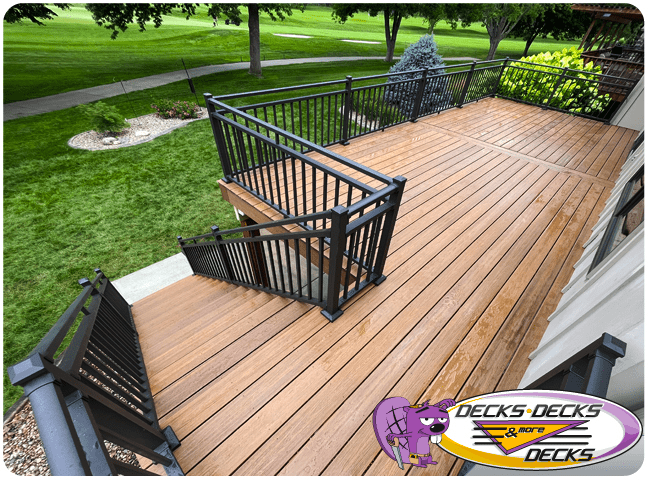
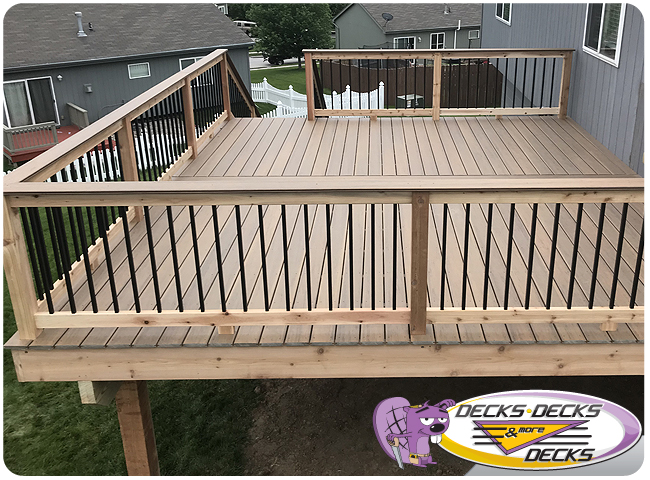
Enhance your backyard with a mixed deck that blends natural wood with modern composite elements for a unique and low-maintenance solution.

2. TimberTech Decking

Overview: TimberTech is another top player in the composite decking market, offering a range of products that combine durability with stylish designs. TimberTech decks are made from a blend of wood fibers and polymers, ensuring strength and longevity.

Key Features:

  • Advanced Technology: TimberTech’s products feature technology that enhances durability and resistance to fading, scratching, and mold.
  • Variety of Styles: TimberTech offers a broad selection of colors and textures, including options that closely mimic the look of natural wood.
  • Low Maintenance: TimberTech decks are designed to be easy to clean and maintain, requiring only occasional washing.

Pros:

  • Durable and long-lasting
  • Wide variety of colors and textures
  • Low maintenance requirements

3. Deckorators Decking

Overview: Deckorators is known for its innovative decking solutions, including their signature mineral-based composite decking. Deckorators combines style with strength, offering a range of options that cater to various design preferences.

Key Features:

  • Mineral-Based Composite: Deckorators uses a unique mineral-based composite that enhances durability and resists fading, staining, and scratching.
  • Design Options: The brand offers a variety of colors and styles, including decking with a natural wood grain appearance.
  • Enhanced Performance: Deckorators decking features a strong, low-maintenance surface that is resistant to moisture and mold.

Pros:

  • Highly durable and resistant to environmental factors
  • Wide range of design options
  • Low maintenance

4. Fiberon Decking

Overview: Fiberon is a well-established name in the decking industry, offering a variety of composite decking products known for their quality and performance. Fiberon decking is made from a mix of recycled wood fibers and plastic, providing a sustainable and durable option.

Key Features:

  • Durability: Fiberon decking is designed to withstand the elements, with resistance to fading, staining, and scratching.
  • Versatility: The brand offers a range of colors and styles, including options that resemble natural wood.
  • Low Maintenance: Fiberon decking requires minimal upkeep, making it a practical choice for busy homeowners.

Pros:

  • Long-lasting and resistant to environmental damage
  • Various styles and colors available
  • Low maintenance

Create a versatile outdoor space with a mixed deck, combining wood and composite materials for a stylish and durable design.

Conclusion

When it comes to selecting the best deck material, Trex, TimberTech, Deckorators, and Fiberon stand out for their durability, low maintenance, and stylish designs. Each brand offers unique features that cater to different preferences and needs, making them excellent choices for any decking project. By considering your budget, aesthetic preferences, and maintenance requirements, you can choose the material that best fits your outdoor living space. Investing in high-quality decking will ensure that your deck remains beautiful and functional for years to come.

Check Out This Blog!