Under-Deck Drainage for Snow & Ice: Keep the Patio Dry All Winter

Under-Deck Drainage for Snow & Ice: Keep the Patio Dry All Winter

Nebraska winters aren’t easy on decks — snow, slush, and ice melt can wreak havoc on both the surface and the space below. If you’ve got a second-story deck with a patio or storage area underneath, an under-deck drainage system is one of the smartest upgrades you can make before winter fully sets in.

At Decks, Decks & More Decks, we’ve installed hundreds of systems across Omaha, Papillion, and Bellevue to protect decks from water damage, ice buildup, and erosion. Here’s why they matter — and how they keep your space usable all year long.


What Is an Under-Deck Drainage System?

An under-deck drainage system is designed to collect and divert water that seeps between deck boards, channeling it away from the framing and open space below.

Think of it as a gutter system for your deck — installed just beneath the surface. It typically includes:

  • Trough panels or membranes that catch water runoff

  • Downspouts that direct the flow away from your house

  • Flashing and sealing to prevent drips or leaks

Systems like TimberTech DrySpace are made specifically for composite decks and integrate seamlessly into new or existing builds.
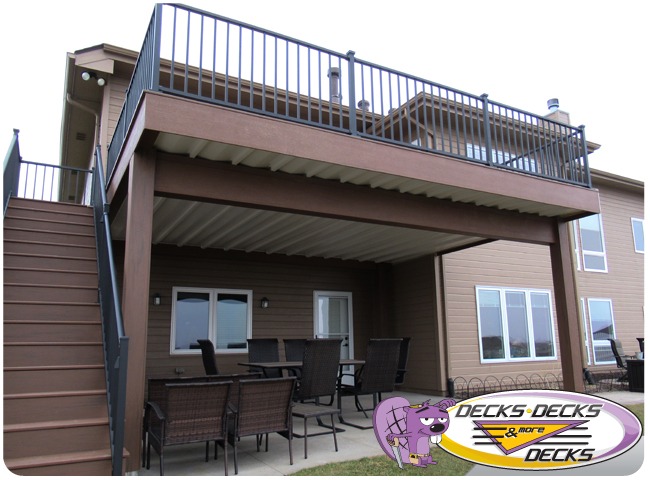
Accessory image of backyard deck replacement built by professional deck builder.


Why It Matters During Winter

Snowmelt and freeze-thaw cycles can cause serious damage if your deck isn’t properly drained.

Here’s what happens without a drainage system:

  • Melted snow seeps through deck gaps and freezes below, creating icicles and slip hazards.

  • Trapped moisture accelerates rot in wood framing.

  • Concrete patios under decks can erode, stain, or crack from constant runoff.

With a drainage system, that moisture is redirected safely away — keeping the lower space dry, clean, and usable all winter.


Benefits Beyond Winter

Even after the snow melts, under-deck drainage keeps working for you year-round:

Creates a usable dry space — great for patio furniture, storage, or outdoor kitchens.
Prevents mold and rot by keeping framing moisture-free.
Adds value to your home by protecting your investment.
Pairs perfectly with composite decking for a lifetime of low maintenance.

Many homeowners in Papillion and Elkhorn use this system to turn the area beneath their deck into a covered outdoor room — perfect for grilling, entertaining, or relaxing out of the weather.


Our Installation Process

At Decks, Decks & More Decks, we integrate drainage systems directly during deck construction — but they can also be retrofitted on existing decks.

Here’s how we handle it:

  1. Inspection: We evaluate your current deck framing for slope and spacing.

  2. Installation: Drainage panels and downspouts are installed beneath the boards.

  3. Sealing: Flashing is added where needed for full water protection.

  4. Testing: We simulate runoff to ensure everything flows properly.

The end result — a fully sealed, dry area ready for Nebraska’s unpredictable weather.


Keep Your Patio Dry All Winter

A well-built deck isn’t just about looks — it’s about performance through every season. If you’re tired of snowmelt dripping through your boards or water pooling under your deck, an under-deck drainage system is your year-round solution.

Decks, Decks & More Decks is Omaha’s top choice for composite decking and waterproof drainage installs that last decades.

Call (402) 690-1050 or visit our Papillion showroom to explore TimberTech DrySpace and other drainage options in person.
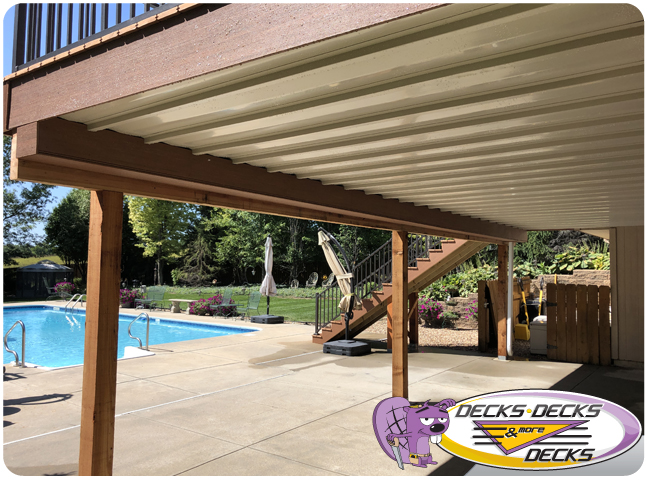

Everything You Need to Know About Deck Drainage Systems

Everything You Need to Know About Deck Drainage Systems

Deck drainage systems are essential for maintaining the longevity and functionality of your outdoor space. Proper drainage helps prevent water damage, mold growth, and structural issues, ensuring that your deck remains a safe and enjoyable area for years to come. Here’s a comprehensive guide to understanding deck drainage systems, including their benefits, types, and installation tips.

Why Deck Drainage Systems are Important

1. Protect Your Deck:

  • Prevent Water Damage: Deck drainage systems direct water away from the deck’s surface, preventing it from pooling and causing damage to the deck boards and supporting structure.
  • Avoid Mold and Mildew: By keeping the underside of your deck dry, drainage systems help prevent the growth of mold and mildew, which can lead to health issues and structural deterioration.

2. Enhance Deck Longevity:

  • Extend Deck Life: Proper drainage helps reduce wear and tear on your deck, extending its lifespan and maintaining its appearance.
  • Reduce Maintenance: With an effective drainage system, you’ll spend less time cleaning and maintaining your deck, as there will be less standing water and debris.

3. Improve Usability:

  • Dry Space Below Deck: A well-designed drainage system can create a dry, usable space underneath your deck, which can be used for storage or additional living areas.

Deck drainage systems add to the usable dry space under the deck.

Types of Deck Drainage Systems

1. Internal Drainage Systems:

  • How They Work: Internal drainage systems are built into the deck structure itself. They involve using specialized materials and components to channel water away from the deck surface and into a hidden drainage system.
  • Components: Key components include drainage membranes, gutters, and downspouts. These systems are integrated into the deck framing and are usually hidden from view.
  • Pros: Internal systems are discreet and do not alter the deck’s appearance. They provide effective water management and can be customized to fit various deck designs.
  • Cons: Installation can be complex and may require professional expertise. These systems may also involve higher upfront costs.

2. External Drainage Systems:

  • How They Work: External drainage systems are installed around the perimeter of the deck and manage water runoff by directing it away from the deck area.
  • Components: External systems may include deck skirts, drainage channels, and splash guards. These components are visible and are designed to catch and direct water away from the deck.
  • Pros: External systems are generally easier to install and can be a more cost-effective solution for managing deck drainage.
  • Cons: They may affect the deck’s appearance and require regular maintenance to ensure proper functioning.

3. Under-Deck Drainage Systems:

  • How They Work: Under-deck drainage systems are installed beneath the deck to create a dry space. These systems typically involve a combination of drainage panels, gutters, and downspouts.
  • Components: Key components include under-deck drainage panels, gutters, and downspouts that work together to collect and direct water away from the deck.
  • Pros: Under-deck systems create a dry, usable space beneath the deck and can be a great option for adding extra living or storage areas.
  • Cons: Installation can be complex and may require modifications to the existing deck structure.

Choosing the Right Deck Drainage System

1. Assess Your Deck Design:

  • Deck Size and Layout: Consider the size and layout of your deck when choosing a drainage system. Larger decks may require more extensive drainage solutions to manage water effectively.
  • Deck Material: Different deck materials may require specific drainage solutions. For example, composite decking may have different drainage needs compared to wood decking.

2. Consider Your Budget:

  • Cost of Installation: Evaluate the cost of different drainage systems, including both materials and installation. Internal systems may have higher upfront costs, while external systems may offer a more budget-friendly option.
  • Long-Term Savings: Consider the long-term savings in maintenance and repairs that a well-designed drainage system can provide.

3. Evaluate Maintenance Needs:

  • Ease of Maintenance: Choose a drainage system that aligns with your maintenance preferences. Internal systems may require less frequent maintenance, while external systems may need regular cleaning and upkeep.
  • Durability: Select durable materials and components that can withstand the elements and provide reliable performance over time.

Installation Tips

1. Professional Installation:

  • Hire a Professional: For complex drainage systems, consider hiring a professional to ensure proper installation and functionality. A professional can assess your deck and recommend the best drainage solution.

2. Follow Manufacturer Guidelines:

  • Installation Instructions: Follow the manufacturer’s guidelines and installation instructions to ensure that your drainage system performs effectively and lasts for years to come.

3. Regular Inspections:

  • Monitor Performance: Regularly inspect your drainage system to ensure it is functioning properly. Address any issues or blockages promptly to maintain optimal performance.

Conclusion

A well-designed deck drainage system is crucial for protecting your deck and enhancing its longevity and usability. By understanding the different types of drainage systems and considering your specific needs, you can choose the best solution for your Omaha home. Whether you opt for an internal, external, or under-deck drainage system, proper installation and maintenance will ensure that your deck remains a beautiful and functional space for years to come.